After a protracted hiatus caused by militant insurgency, Mozambique’s $20bn liquefied natural gas (LNG) project—led by TotalEnergies—is poised for reactivation in the Cabo Delgado province. This development marks a pivotal moment for the East African nation, as it seeks to re-establish itself as a key player in the global energy landscape.
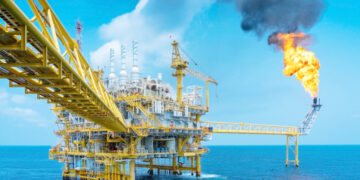
Originally sanctioned in 2019 following the discovery of an estimated 65 trillion cubic feet of recoverable natural gas reserves off Mozambique’s northern coastline in 2010, the Mozambique LNG project represented one of the most significant foreign investments on the continent. At the heart of the initiative is a two-train liquefaction facility, with capacity projections of up to 43 million tonnes per annum (mtpa), designed to support both regional development and global energy demand.
The project was suspended in 2021 following a surge in insurgent activity in Cabo Delgado, with violence linked to factions associated with the Islamic State. In the years since, regional stability has remained tenuous, but recent reports, including those from Bloomberg, indicate that contractors and subcontractors are now engaging in preliminary site preparations. These discussions suggest a meaningful push toward resuming full-scale operations.



Portuguese firm Mota-Engil, in collaboration with Belgian construction company Besix Group, had previously secured a $365 million contract to develop marine infrastructure critical to the project’s logistical framework. Their potential return signals international confidence in renewed security guarantees.
Mozambican President Daniel Chapo has underscored the necessity of enhanced cooperation between government forces and private sector stakeholders to ensure a sustainable and secure operational environment. The government’s stated commitment to safeguarding national assets appears to have catalysed renewed momentum among key partners.
In a show of international financial backing, the US Export-Import Bank approved a $5 billion (€4.61 billion) loan in March 2025 to support the project’s advancement. This funding boost could prove instrumental in re-energising infrastructural development and operational timelines.

However, the reactivation efforts unfold against the backdrop of unresolved concerns regarding human rights. In March 2025, Mozambique’s National Commission on Human Rights (CNDH) confirmed the initiation of a criminal investigation into alleged abuses perpetrated by the country’s Defence and Security Forces during 2021 operations in the Afungi Peninsula. These developments followed formal requests by TotalEnergies in November 2024 for Mozambican authorities to ascertain the accuracy of these reports, originally highlighted by international media in 2024.
TotalEnergies holds a 26.5% stake in the Mozambique LNG venture, which also includes a consortium of international investors. As geopolitical and economic stakeholders re-engage, the project is once again emerging as a bellwether of Mozambique’s ambitions to transition from post-conflict recovery to energy-led growth.
While the timeline for full recommencement remains tentative, the cumulative movement by construction, financial, and state actors strongly suggests that Mozambique LNG is entering a new operational phase. Whether the region can sustain the security and transparency needed for long-term viability remains a key question for both local communities and international observers.