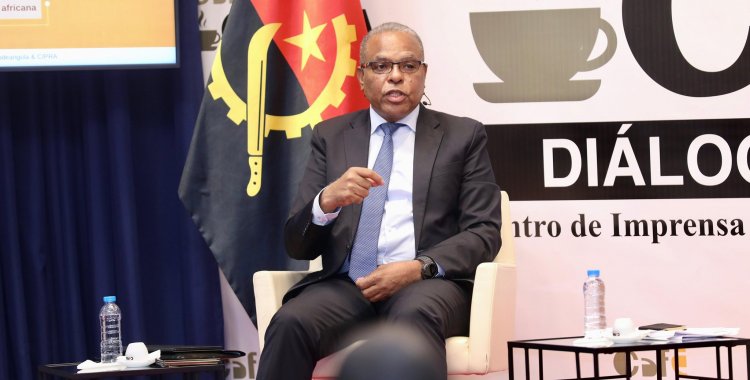
Angola is poised to formalise its accession to the Southern African Development Community (SADC) Free Trade Area (FTA) in June 2025, according to an announcement by Minister of Industry and Commerce, Rui Miguêns de Oliveira. The declaration was made during the 19th edition of CaféCIPRA, a government communication platform, underscoring Angola’s advancing role in African regional diplomacy.
This move is expected to be ratified during the upcoming SADC Council of Ministers conference, paving the way for a ceremonial endorsement at the SADC Summit of Heads of State. The minister described this milestone as a significant stride toward reinforcing continental economic cohesion, highlighting the symbolic and practical implications of regional integration.
Minister de Oliveira emphasised that Angola’s entry into the SADC FTA represents a foundational step in the broader process of consolidating African sub-regions. “We will only succeed if we do business among ourselves, if we are able to develop our economic relations, use our best resources from the point of view of competitiveness in each of our nations and, with this, create the strength for the continent, united, to develop and achieve the desired economic independence,” he stated.



This initiative forms part of Angola’s strategic pivot towards deepening intra-African trade and economic collaboration. The SADC FTA, established in 2008, is intended to eliminate tariffs and trade barriers among member states, stimulating growth through greater market access, competition, and cross-border investment.

Minister of Foreign Affairs, Téte António, who was also present at the CaféCIPRA event themed “Angola at the Centre of African Diplomacy,” elaborated on Angola’s ongoing leadership in the African Union. He linked peace and security with sustainable development, arguing that economic transformation is inextricably tied to political stability. Referring to Agenda 2063, the African Union’s strategic framework for inclusive growth, Minister António noted that Angola’s post-conflict trajectory could serve as a blueprint for broader continental development.
Cláudia Pedro, Executive Director of the Private Investment and Export Promotion Agency (AIPEX), reported encouraging trends in foreign and domestic investment. Since 2018, AIPEX has registered 877 investment intentions, resulting in the creation of 32,000 jobs—part of a broader goal of generating 92,000 employment opportunities. Pedro reiterated the agency’s commitment to promoting Angola as a premier destination for productive investment in Africa, with a focus on sectors that drive structural transformation.
As Angola prepares for full integration into the SADC Free Trade Area, this development is expected to unlock new opportunities for trade diversification and industrial growth. The country’s economic diplomacy strategy is now increasingly aligned with regional and continental frameworks aimed at fostering long-term prosperity and autonomy.
This evolution marks Angola’s growing assertion as a pivotal actor in African trade policy, setting the stage for deeper economic ties and a more coordinated approach to continental integration.