In a move emblematic of the increasingly complex power dynamics in the eastern Democratic Republic of the Congo (DRC), the Congo Savings Bank (CADECO) has recommenced operations in Goma following its seizure by March 23 Movement (M23) rebels earlier this year.
The announcement was made by Corneille Nangaa, political figurehead of the Congo River Alliance—a politico-military faction in alignment with M23 rebels—who described the reopening as a step towards reviving economic life in the beleaguered provincial capital of North Kivu.
“CADECO is the people’s bank. This is about returning hope to the merchants, youth, and families of Kivu,” proclaimed Nangaa during Monday’s inauguration.



The banking vacuum left in the wake of the January takeover had compelled many Goma residents to cross international borders to access basic financial services, often facing prohibitive transaction costs and adverse currency exchange rates.
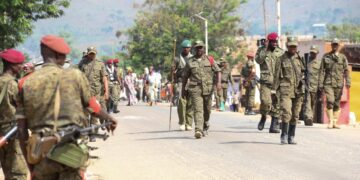
Since its resurgence in late 2021, M23 has established de facto control over significant swathes of North and South Kivu, where it has implemented parallel administrative mechanisms, challenging the central government’s authority.
CADECO’s national leadership issued a statement on 5 April, strongly condemning what it termed an “illegal and destabilising attempt” by M23 forces to subvert the financial system in occupied territories.
Further reports by regional media suggest that M23 factions have attempted to breach the provincial offices of the Central Bank of the Congo (BCC), a move which underscores the escalating contest over institutional legitimacy in the region. The BCC reiterated in February that all monetary governance remains the exclusive remit of its headquarters in Kinshasa.

Meanwhile, the World Food Programme has raised alarms over the adverse humanitarian implications of liquidity shortfalls, warning that funding delays are obstructing relief efforts in conflict-affected areas.
As rebel-aligned structures take on administrative roles traditionally reserved for the state, the reopening of CADECO under such auspices raises complex legal and ethical questions surrounding sovereignty, governance, and economic normalcy in times of protracted conflict.