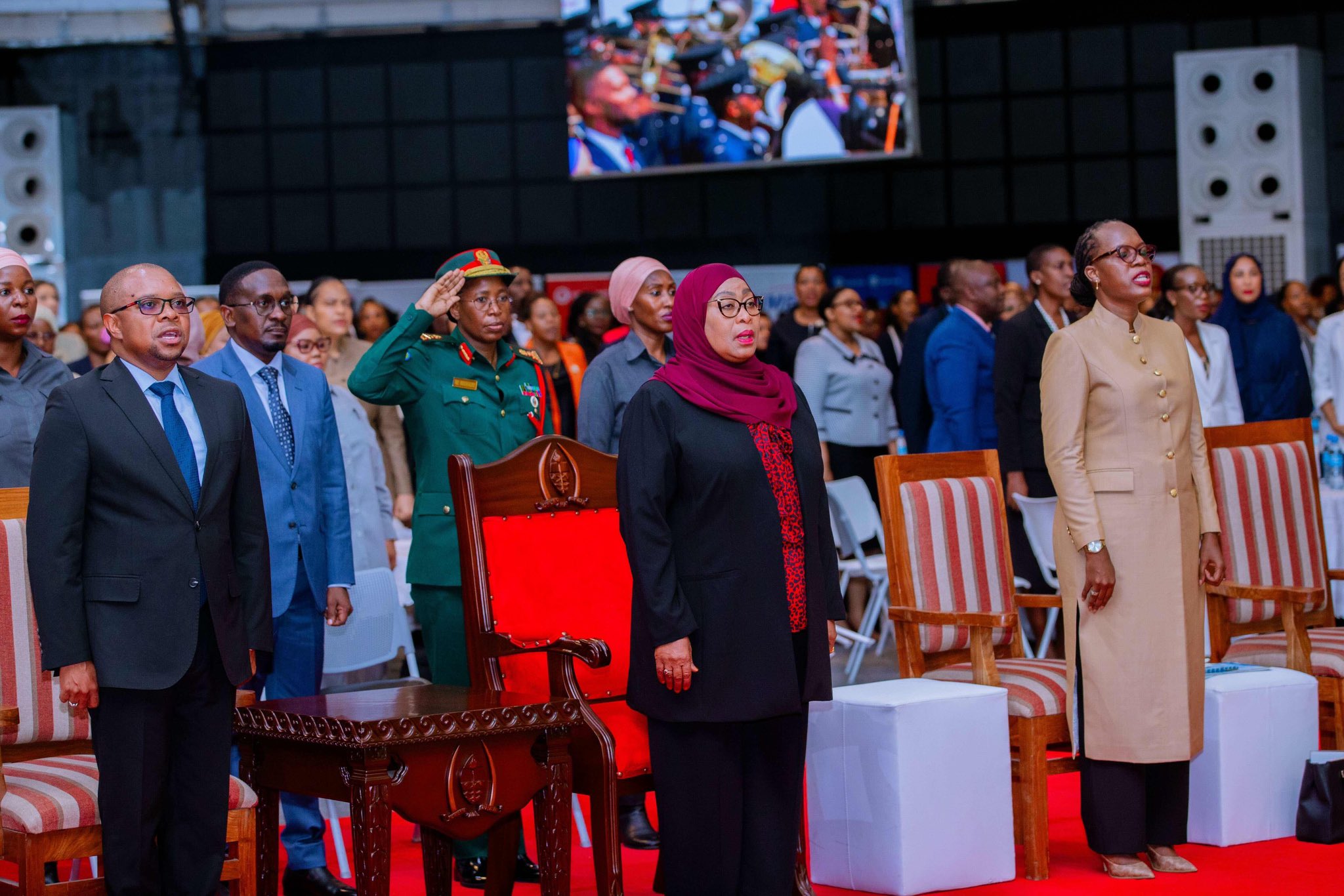
A recent report highlights a significant increase in the number of women occupying leadership positions in Tanzania over the past nine years. The findings were presented during the 10th anniversary event of the Association of Tanzania Employers (ATE) and its Women in Leadership initiative, the Female Future Programme.
ATE Executive Director Suzanne Ndomba-Doran detailed the programme’s impact, noting that the number of women completing leadership training has grown from 36 graduates in 2015 to 110 in 2024, bringing the total to 493 trained female leaders across both public and private sectors. The programme aims to equip women with the necessary leadership skills to take on key roles in governance, business, and community development.
The initiative has also supported 150 female members of parliament from Tanzania’s National Assembly and Zanzibar’s House of Representatives, further strengthening women’s participation in decision-making at the national level. This reflects ongoing efforts to integrate gender-inclusive leadership within the country’s governance structures.
Tanzanian President Samia Suluhu Hassan, who attended the event, underscored the responsibility of women leaders in fostering social trust and stability. She urged programme graduates to utilise their education and leadership skills to uplift their communities, particularly in advancing opportunities for young girls. Her remarks reinforced the broader vision of women’s empowerment as a critical driver of social and economic progress.
President Hassan also stressed the importance of leadership that strengthens families and communities, rather than disrupting social harmony. She encouraged women in leadership positions to serve as catalysts for sustainable development by advocating policies that promote inclusivity, economic growth, and education.
Tanzania’s increased focus on female leadership aligns with global trends advocating for gender-balanced governance and economic participation. Initiatives such as the Female Future Programme continue to play a crucial role in eliminating barriers to leadership and preparing women to assume influential positions across various sectors.