Monday, June 22, 2026
  • Login
The Southern African Times
  • Home
  • Southern Africa
  • Business
    • African Start ups
    • African Continental Free Trade Area
  • Technology
    • Lifestyle
      • Health
      • Culture
      • Food and Drink
      • Entertainment
  • Opinion
  • Sports
  • SAT Jobs
    • Events
  • About Us
    • Advertise with Us
    • Contact Us
No Result
View All Result
  • Home
  • Southern Africa
  • Business
    • African Start ups
    • African Continental Free Trade Area
  • Technology
    • Lifestyle
      • Health
      • Culture
      • Food and Drink
      • Entertainment
  • Opinion
  • Sports
  • SAT Jobs
    • Events
  • About Us
    • Advertise with Us
    • Contact Us
No Result
View All Result
The Southern African Times
No Result
View All Result
Home Mining in Africa

Zimbabwe Seeks Lithium Boom to Validate $270 Million Partnership with China

by SAT Reporter
January 20, 2025
in Mining in Africa
0
Zimbabwe Seeks Lithium Boom to Validate $270 Million Partnership with China

Zimbabwe is positioning itself as a significant global player in the lithium market by leveraging its vast reserves of this critical mineral to attract strategic investments. This ambition is underscored by a $270 million project initiated in collaboration with a Chinese mining corporation, a venture the government expects will be justified by the upward trajectory of lithium prices in global markets.

This project aligns with Zimbabwe’s broader strategy to capitalise on the surging demand for lithium, a vital component in electric vehicle batteries and renewable energy storage systems. As countries accelerate their transition to cleaner energy sources, the demand for lithium has seen an unprecedented rise, positioning it as a cornerstone of the global green energy revolution.

The Zimbabwean government has emphasised the role of lithium as a critical driver for economic revitalisation. With mining contributing over 60% of the country’s export earnings, investments in high-demand minerals such as lithium are seen as pivotal to strengthening its economic resilience. The collaboration with China is particularly noteworthy given China’s dominance in global lithium processing and its expertise in building efficient supply chains for critical minerals.


ADVERTISEMENT

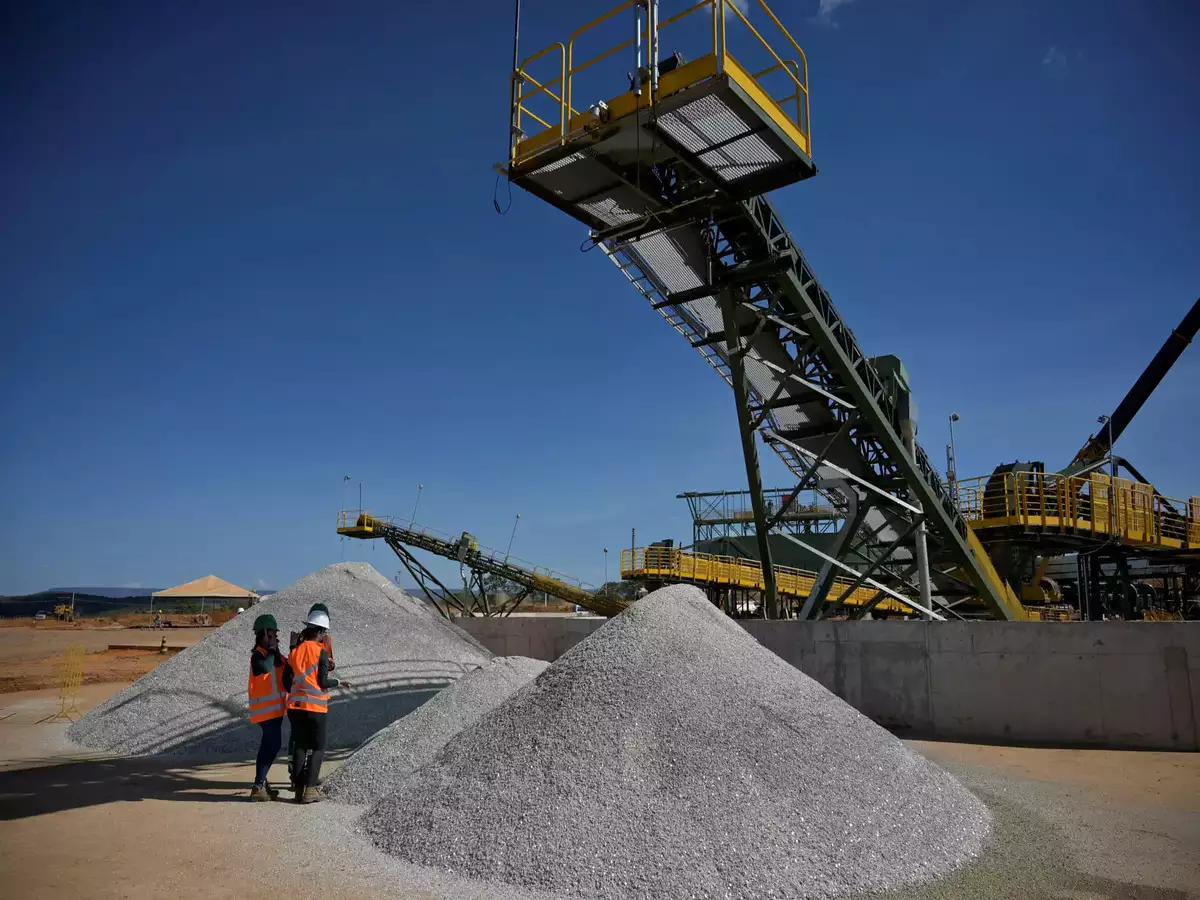
The project, spearheaded by a Chinese consortium, focuses on lithium extraction and processing at Zimbabwe’s Bikita mines. The site, located in the southern Masvingo Province, is among the most promising deposits of spodumene—an ore high in lithium content. The anticipated production scale not only positions the venture as one of Zimbabwe’s flagship mining projects but also underscores the country’s potential to emerge as a key supplier in the global lithium market.

China’s involvement reflects its broader investment patterns in African mineral resources, a dynamic that has often been framed as mutually beneficial yet sometimes controversial. The partnership underscores Zimbabwe’s intent to forge pragmatic alliances with foreign investors, leveraging its mineral wealth to stimulate domestic economic growth. However, such collaborations also highlight the delicate balance between maximising national benefits and addressing concerns of resource dependency or inequitable revenue sharing.

The economic rationale for the project is firmly tied to lithium’s market trajectory. Analysts forecast sustained growth in lithium prices, driven by an expanding market for electric vehicles (EVs) and advancements in energy storage technologies. The International Energy Agency (IEA) projects that global lithium demand could quadruple by 2030, a projection that has bolstered Zimbabwe’s confidence in its mining strategy. Additionally, the lithium-ion battery market, a key consumer of this mineral, is expected to grow at a compound annual growth rate (CAGR) exceeding 10% over the next decade.

Despite the optimistic outlook, challenges remain. The volatility of global commodity markets and evolving geopolitical dynamics could influence lithium’s pricing and demand patterns. Moreover, Zimbabwe’s mining sector has faced scrutiny over environmental impacts and governance issues, raising questions about the long-term sustainability of such projects.

The government has expressed its commitment to mitigating these concerns by strengthening regulatory frameworks and ensuring adherence to international environmental and labour standards. Authorities have underscored the importance of transparent revenue management, aiming to channel mining revenues into critical sectors such as education, healthcare, and infrastructure development.

Zimbabwe’s pursuit of value addition within the lithium supply chain is another key component of its strategy. By promoting local beneficiation, the government hopes to retain a larger share of the mineral’s value, reducing its reliance on raw ore exports. This aligns with Africa’s broader vision of leveraging its natural resources to support industrialisation and economic diversification.

The Bikita project is expected to generate significant employment opportunities and foster skills development within local communities. Proponents argue that these socioeconomic benefits, coupled with the potential fiscal windfall from lithium exports, could provide a vital impetus for Zimbabwe’s developmental goals. Critics, however, caution against over-reliance on a single commodity and advocate for a diversified economic approach.

As the global energy transition gains momentum, Zimbabwe’s aspirations in the lithium market reflect a broader shift in resource geopolitics. With nations racing to secure critical minerals, resource-rich countries like Zimbabwe are uniquely positioned to shape global supply chains. Whether Zimbabwe can fully realise this potential will depend on a confluence of factors, including effective policy implementation, strategic partnerships, and the successful navigation of market uncertainties.

In this evolving narrative, the $270 million collaboration with China serves as both a symbol of opportunity and a litmus test for Zimbabwe’s ability to harness its natural resources responsibly. If successful, this initiative could pave the way for further investments, solidifying Zimbabwe’s status as a crucial player in the global green energy ecosystem.

Tags: China-Africa investmentcritical mineralselectric vehiclesGreen Energylithium market growthrenewable energy storageresource geopoliticsZimbabwe lithium project
Previous Post

Mozambique Government Bonds Under Pressure as Debt Restructuring Concerns Grow

Next Post

Donald Trump’s Second Inauguration: Policy Priorities and Controversies Unveiled

SAT Reporter

Related Posts

How Tendayi Mwayi Is Transforming Mining Through Technology
Mining in Africa

How Tendayi Mwayi Is Transforming Mining Through Technology

by SAT Reporter
June 17, 2026
Greenland Mines Secures Iceland Infrastructure Option Amid Critical Minerals Shift
Mining in Africa

Greenland Mines Secures Iceland Infrastructure Option Amid Critical Minerals Shift

by Times Reporter
June 10, 2026
Petra Diamonds restructures Finsch mine amid industry pressures
Mining in Africa

Petra Diamonds restructures Finsch mine amid industry pressures

by SAT Reporter
May 30, 2026
Valterra Keeps Platinum Operations Stable Amid Iran War Risks
Mining in Africa

Valterra Keeps Platinum Operations Stable Amid Iran War Risks

by SAT Reporter
May 19, 2026
Zambia Forms Gold Mining Joint Venture to Diversify Beyond Copper
Mining in Africa

Zambia Forms Gold Mining Joint Venture to Diversify Beyond Copper

by SAT Reporter
May 19, 2026
Next Post
Donald Trump’s Second Inauguration: Policy Priorities and Controversies Unveiled

Donald Trump’s Second Inauguration: Policy Priorities and Controversies Unveiled

Browse by Category

  • Africa AI
  • African Continental Free Trade Area
  • African Debt
  • African Start ups
  • Agriculture
  • AI Africa
  • Algeria
  • All News
  • Analysis
  • Angola
  • Arts / Culture
  • Asia
  • Botswana
  • BOTSWANA
  • BREAKING NEWS
  • BRICS
  • Burkina Faso
  • Burundi
  • Business
  • Business
  • Business Wire
  • Cameroon
  • Central Africa
  • Chad
  • China
  • Climate Change
  • Climate Changev
  • Community
  • Congo Republic
  • Conservation
  • Côte d’Ivoire
  • COVID 19
  • CRYPTOCURRENCY
  • Culture
  • Democratic Republic of Congo
  • Diplomacy
  • Eastern Africa
  • Economic Development
  • Economy
  • Education
  • Egypt
  • Elections 2024
  • Energy
  • Entertainment
  • Environment
  • Eritrea
  • Ethiopia
  • Europe
  • Fashion
  • Feature
  • Finance
  • Financial Inclusion
  • Food
  • Food and Drink
  • Foods
  • GABON
  • Ghana
  • Global
  • Global Africa
  • Guinea
  • Health
  • Humanitarian Aid
  • Immigration
  • in Southern Africa
  • International news
  • International Relations
  • Investment
  • Ivory Coast
  • Just In
  • Kenya
  • Lesotho
  • Libya
  • Life Style
  • Lifestyle
  • Literature
  • Malawi
  • Malawi
  • Mali
  • Markets
  • Mauritius
  • Middle East
  • Mining in Africa
  • Morocco
  • Mozambique
  • Namibia
  • Niger
  • niger
  • Nigeria
  • North Africa
  • North-Eastern Africa
  • Obituaries
  • Obituary
  • Opinion
  • PARTNER CONTENT
  • Politics
  • Property
  • Racism
  • Rwanda
  • Rwanda
  • SADC
  • SAT Interviews
  • SAT Investigation
  • SAT Jobs
  • Saudi Arabia
  • Senegal
  • Seychelles
  • Somaliland
  • South Africa
  • South Sudan
  • Sports
  • Startup Africa
  • STOCK EXCHANGE
  • Sudan
  • Sustainability
  • Sustainablity
  • Tanzania
  • Technology
  • Telecommunications
  • The Editorial Board
  • The Power Of She
  • Togo
  • Trade
  • Travel
  • Travel
  • Tunisia
  • Uganda
  • Uncategorized
  • Wealth
  • West Africa
  • World
  • World
  • ZAMBIA
  • Zambia
  • ZIMBABWE
  • Zimbabwe

Browse by Tags

#NewsUpdate #SouthAfrica #SouthernAfricanTimes #TheSouthernAfricanTimes AfCFTA africa African Continental Free Trade Area African development African Development Bank African economies African economy African Union Agriculture Angola Botswana China Climate change Cyril Ramaphosa Economic Development economic growth energy transition Ghana governance industrialisation Inflation Infrastructure Infrastructure Development International relations Investment Kenya Mozambique Namibia news Nigeria Regional Integration renewable energy Rwanda SADC South Africa Southern Africa sustainable development Tanzania United States Zambia Zimbabwe
ADVERTISEMENT

WHO WE ARE

The Southern African Times is a regional bloc digital newspaper that covers Southern African and world news. The paper also gives a nuanced analysis on news and covers a wide range of reporting which include sports, entertainment, foreign affairs, arts and culture.

Welcome Back!

Login to your account below

Forgotten Password?

Retrieve your password

Please enter your username or email address to reset your password.

Log In
  • Home
  • Southern Africa
  • Business
    • African Start ups
    • African Continental Free Trade Area
  • Technology
    • Lifestyle
      • Health
      • Culture
      • Food and Drink
      • Entertainment
  • Opinion
  • Sports
  • SAT Jobs
    • Events
  • About Us
    • Advertise with Us
    • Contact Us
Not enough quota to unlock this post
Unlock left : 0
Are you sure want to cancel subscription?