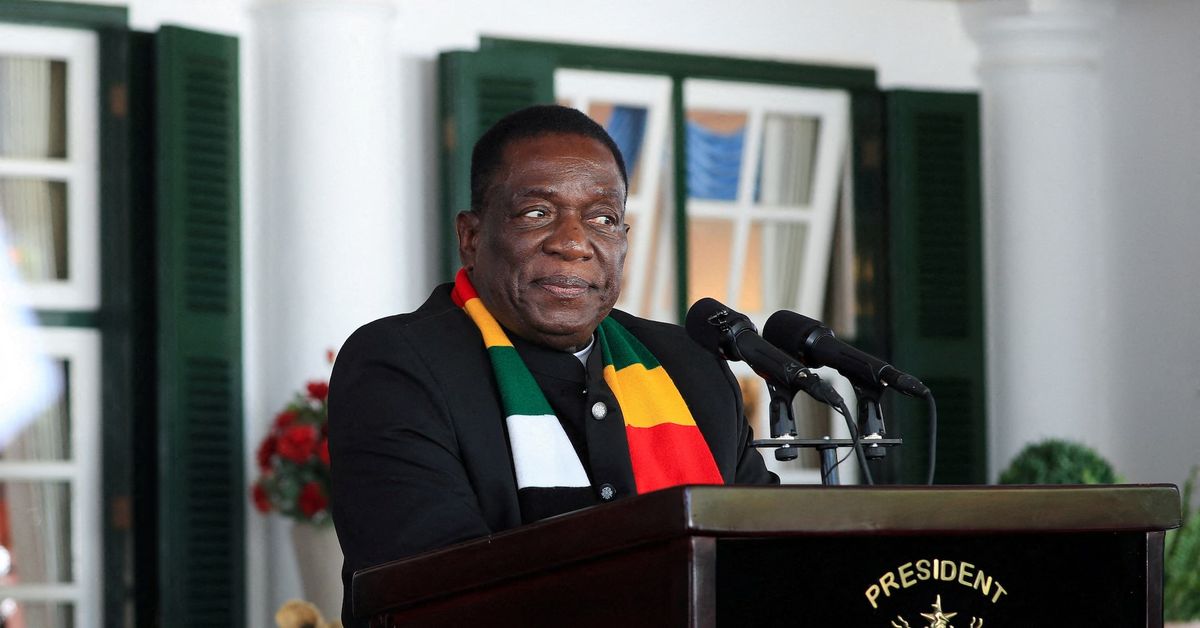
Zimbabwe’s financial odyssey reached a pivotal moment this week with the hosting of a high-level conference in Harare to confront its $12.7 billion external debt crisis. With a staggering 81% of its GDP swallowed by arrears, the country is now seeking to engage international creditors and development partners in a bid to restructure its burdensome debt. The conference, attended by President Emmerson Mnangagwa, Finance Minister Mthuli Ncube, and African Development Bank (AfDB) President Akinwumi Adesina, is part of a broader push to re-enter global financial markets after decades of exclusion.
The gathering, which included representatives from the International Monetary Fund (IMF) and various multilateral institutions, is expected to focus on the clearance of arrears and the formulation of a comprehensive debt resolution strategy. However, Zimbabwe’s path to financial recovery remains clouded by a prolonged history of hyperinflation, failed economic reforms, and a severe liquidity crunch that has left the country cut off from international capital markets.
Experts, such as independent economist Prosper Chitambara, emphasise that the clearance of arrears is crucial to restoring Zimbabwe’s eligibility for funding from institutions like the IMF and World Bank. Only through a concerted effort to settle outstanding debts can the country rebuild investor confidence and address the debt overhang that has crippled its economy for years. As Chitambara notes, “Access to new financing will remain out of reach unless the arrears issue is resolved.”




The government’s efforts are further complicated by a heavy reliance on external advisers, including the Global Sovereign Advisory Company and Kepler-Karst law firm, to navigate the intricate process of debt restructuring. Zimbabwe has also sought to initiate negotiations with bilateral creditors, particularly in the context of a broader regional debt crisis affecting other African nations, including Zambia and Ghana, which are also undergoing debt restructuring programmes.

Despite the challenges, there is cautious optimism that this summit marks the first step towards breaking Zimbabwe’s international financial isolation. The IMF’s exclusion from the country’s economy has been a significant roadblock to its recovery, with the institution unable to extend financial support until Zimbabwe clears its arrears. Minister Ncube, while acknowledging the complexity of the issue, has expressed hope that a clear roadmap will be set out at the conference, enabling Zimbabwe to move towards financial normalcy.
In the long term, Zimbabwe’s strategy for recovery will rely on a sustained commitment to fiscal discipline and sound economic policies. Only by restoring its credibility as a responsible borrower can Zimbabwe hope to return to the international financial fold, as it grapples with the formidable task of reducing its debt burden and promoting economic growth.