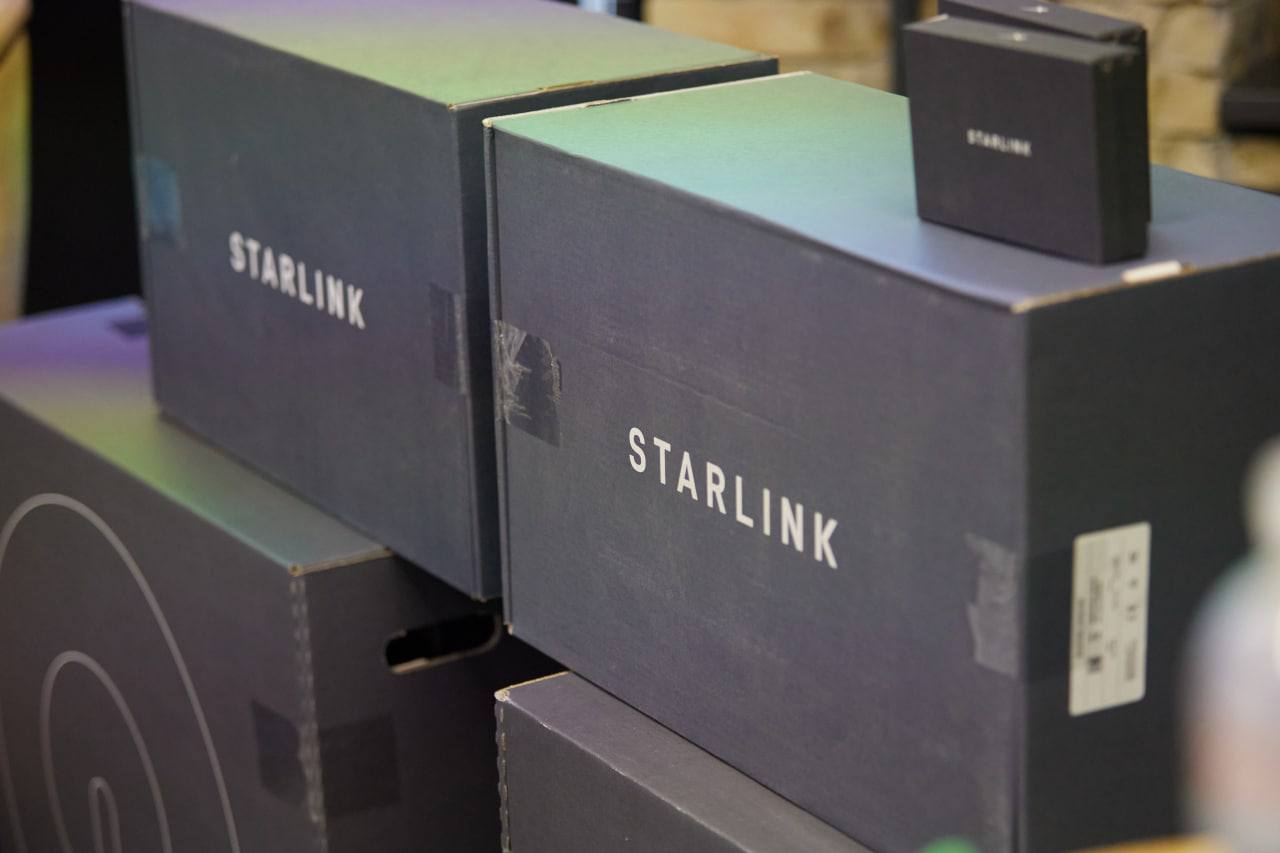
Starlink, the satellite internet service provider owned by Elon Musk’s SpaceX, has rolled out a new ‘Residential Lite’ service plan, introducing affordable internet access with reduced speeds across select global markets, including Madagascar, Rwanda, and Zimbabwe. The service aims to address the needs of users seeking an economical alternative to Starlink’s full Residential plan, catering to personal, family, or household use at a fixed land-based location.
Service Overview
The ‘Residential Lite’ package is designed to offer unlimited internet data but at lower speeds compared to the flagship Residential plan. While the latter provides speeds between 150-250 Mbps, Residential Lite offers a more modest range of 50-100 Mbps. Users of the Lite plan, however, will experience deprioritised service during peak usage hours, meaning slower speeds when the network is congested.
Starlink’s new service plan comes without data or speed caps, making it attractive to users who are not heavy internet consumers but require a continuous, reliable connection. Unlike the full Residential plan, the Lite service does not support mobility (in-motion use) or maritime applications. It is also less flexible in terms of service options, with no ability to opt-in for higher priority or mobile data. Users are, however, permitted to upgrade to the full Residential service at any time if their bandwidth needs increase.



Africa and Beyond: Countries with Access
Starlink’s Residential Lite service is available in select regions globally. Among the African nations benefiting from this latest roll-out are Madagascar, Rwanda, and Zimbabwe, marking another step in Starlink’s efforts to expand affordable satellite internet coverage across underserved markets. The new service aims to mitigate the digital divide, particularly in regions where conventional broadband infrastructure is either unavailable or prohibitively expensive.
Other countries offering the Residential Lite service include New Zealand, Spain, Italy, Colombia, and smaller territories such as American Samoa, Barbados, and the Cocos (Keeling) Islands. Customers can sign up for the service directly through Starlink’s official website.

Strategic Implications
Starlink’s strategy to introduce a scaled-down, more affordable internet service is aligned with its broader mission to provide global connectivity, particularly in remote and rural areas. By catering to users with varying data needs and financial constraints, Starlink strengthens its foothold in the highly competitive satellite internet market.
The addition of the Residential Lite plan comes at a time when African nations are increasingly prioritising digital connectivity to drive economic growth. With improved internet access, these countries could witness a surge in digital commerce, e-learning, and remote working opportunities, further integrating themselves into the global digital economy.
While Starlink’s Residential Lite service comes with certain limitations, including deprioritised speeds during peak hours, it provides a cost-effective solution for users in regions with limited broadband infrastructure. As more African nations embrace satellite internet, Starlink’s scaled-down service has the potential to play a crucial role in bridging the connectivity gap across the continent.