The adverse impacts of climate change are poised to severely undermine Africa’s trajectory towards fulfilling the United Nations Sustainable Development Goals (SDGs) unless immediate and robust countermeasures are implemented, according to a senior Zambian official.
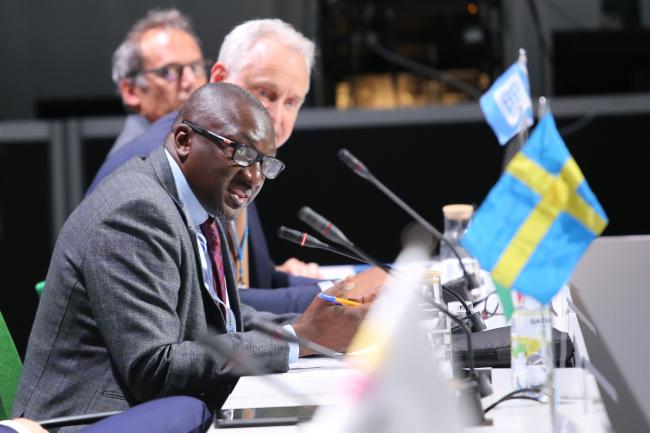
Mike Mposha, Zambia’s Minister of Green Economy and Environment, issued a stark warning on Monday, emphasising that the escalating frequency and severity of extreme weather events across Africa are exerting profound pressures on the continent’s socio-economic fabric. His remarks followed the release of the 2023 edition of the “State of Climate in Africa” report by the World Meteorological Organization (WMO).
“Africa’s unique vulnerability to climate change, compounded by its reliance on rain-fed agriculture and constrained adaptive capacity, is becoming increasingly evident,” Mposha stated. “Rising temperatures, accelerated sea-level rise, and erratic precipitation patterns are already wreaking havoc on human health, ecosystems, and livelihoods across the continent.”




The minister’s comments highlight the critical insights provided by the WMO’s report, which serves as a vital tool for informing policy decisions and guiding future actions to safeguard Africa from the existential threat posed by climate change. The report paints a grim picture of the continent’s climate situation, with accelerating trends in temperature increases, severe heatwaves, and fluctuating rainfall patterns contributing to a worsening climate crisis that jeopardises agricultural productivity, food security, and the overall well-being of African populations.
Mposha, who also holds the position of First Vice President of the African Ministerial Conference on Meteorology (AMCOMET), underscored the organisation’s pivotal role in confronting Africa’s climate challenges. AMCOMET’s integrated African strategy, which prioritises the enhancement of climate services, the fortification of partnerships, and the bolstering of capacity for climate adaptation and resilience, is at the forefront of the continent’s response to climate change.
“The implementation of this strategy is crucial for improving Africa’s ability to deliver effective early warning systems and to mitigate the impacts of climate change,” Mposha added.
The minister also called for heightened advocacy for increased investments in climate adaptation and resilience, particularly as Africa gears up for the 29th session of the Conference of the Parties (COP29) to the United Nations Framework Convention on Climate Change (UNFCCC).
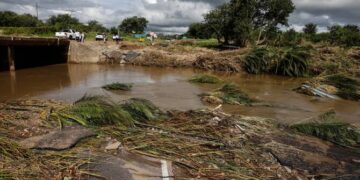
The WMO report presents a sobering assessment of the disproportionate burden Africa bears from climate change. With temperature increases on the continent slightly surpassing the global average, and extreme weather events such as floods inflicting severe economic losses, the stakes are high. African countries are reportedly forfeiting between 2 and 5 percent of their gross domestic product, with many diverting up to 9 percent of their national budgets to address the ravages of climate extremes.
As the international community prepares for COP29, the urgency of addressing Africa’s climate predicament cannot be overstated. The continent’s unique vulnerabilities necessitate tailored and sustained interventions, without which the aspirations encapsulated in the UN SDGs may remain tragically out of reach.