In a nation where luxury cars, private helicopters, and ostentatious displays of wealth are becoming synonymous with political power, Kenya’s youth are rising in protest. The catalysts for this unrest include a series of proposed tax hikes, which have spotlighted the stark contrast between the lifestyles of lawmakers and the economic hardships faced by ordinary citizens.
Over the past weeks, the young and tech-savvy population of Kenya has taken to social media platforms like TikTok and X to call out the opulence of their elected representatives. Edited videos and scathing comments about politicians’ lavish lifestyles have flooded these platforms, reflecting widespread anger and frustration.
The discontent reached a boiling point on 25 June when protestors stormed the Kenyan Parliament, setting it ablaze and targeting the vehicles of fleeing politicians. Since then, attacks on the private residences and businesses of several MPs, primarily those aligned with the ruling coalition, have intensified.
Online Accountability Tools
In an innovative twist, activists have created an AI-powered chatbot that provides media reports of corruption allegations against politicians when their names are entered. This tool, along with guidelines for using recall powers to unseat representatives, has empowered the youth movement.
Zaheer Jhanda, a ruling party MP, became a focal point of the protests after posting videos of his luxury vehicles on TikTok. His displays of wealth ignited fierce criticism and led protestors to target his home in Kisii. Jhanda has not responded to requests for comment.
Political Response and Austerity Measures
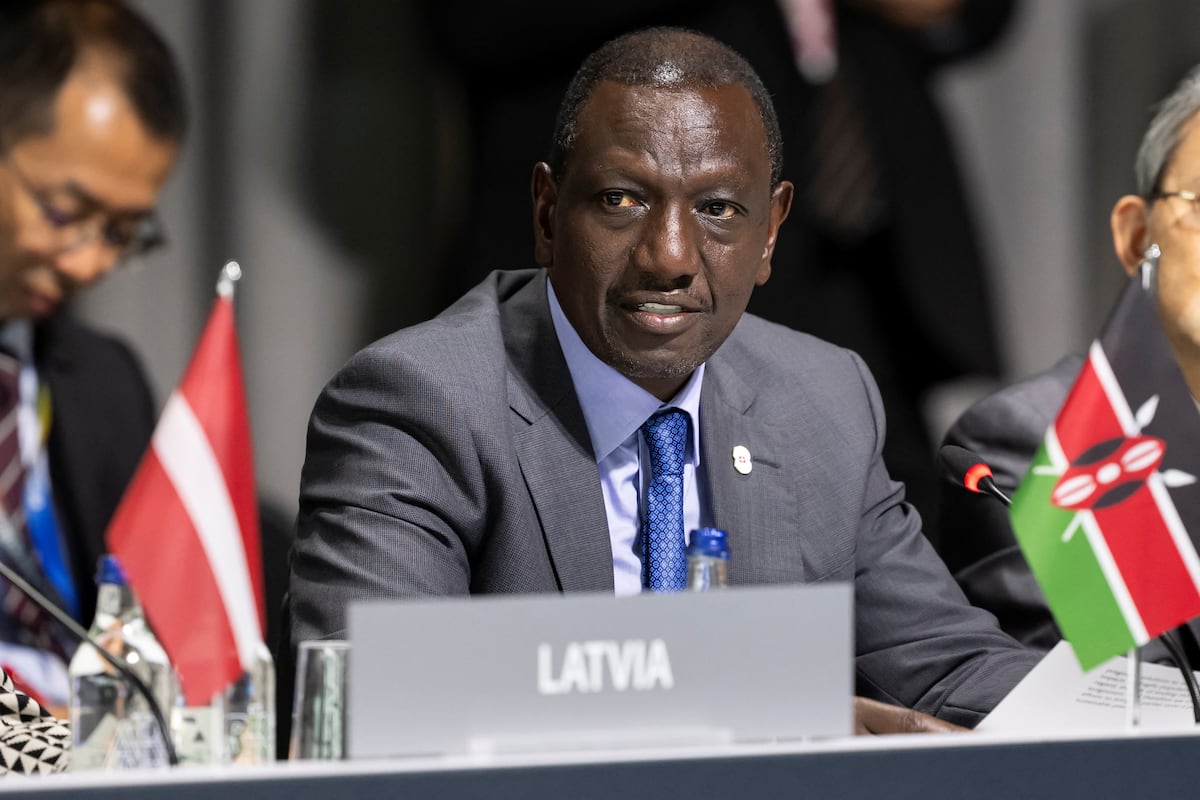
President William Ruto, facing significant pressure, dismissed his entire cabinet apart from the foreign minister on 11 July, pledging to establish a “broad-based government.” He condemned the “obnoxious opulence” of certain officials and announced austerity measures, including budget cuts for his office and a review of the planned pay rises for MPs.
Didmus Barasa, another ruling party MP, acknowledged the protesters’ valid concerns but denied that MPs are overpaid. Barasa, who owns a private helicopter and claims to have acquired wealth through legitimate business ventures, maintains that he serves as an inspiration to young Kenyans.
Grassroots Mobilisation and Legislative Accountability
The protests signify a notable shift in political engagement among young Kenyans, who are increasingly aware of the impact of legislation on their daily lives. Tom Mboya, an expert on Kenyan politics and corruption, described the movement as an “awakening of Gen Z,” highlighting a growing intolerance for unaccountable leadership.
In response to public pressure, President Ruto rescinded the contentious tax hikes on 26 June. However, the unrest persists, with ongoing nationwide protests that cut across political and ethnic lines. There is a burgeoning movement to recall MPs before the next elections in 2027, with citizens in Kabete constituency already collecting thousands of signatures to unseat their MP, Ndungi Githuku.
The Constituency Development Funds (CDF), a scheme providing MPs with over $1 million annually for local projects, has come under scrutiny for inefficiency and embezzlement. A Reuters analysis revealed that $13 million intended for school bursaries was unaccounted for in the 2021/22 financial year. Despite a Supreme Court ruling in 2022 deeming the CDF scheme unlawful, it continues to operate, allowing MPs to distribute cash in their constituencies.
Future Implications
The ongoing protests and demands for accountability represent a significant challenge for President Ruto and Kenyan lawmakers. Even if current MPs avoid being ousted, their legitimacy is severely compromised. As Senator Richard Onyonka, a former MP, stated, “I think they are heavily damaged.”