The Africa Climate Risk Insurance Facility for Adaptation (ACRIFA) has emerged as a beacon of hope for African nations grappling with the severe impacts of climate change. Spearheaded by the African Risk Capacity Group (ARC Group) and endorsed by the United Nations, this facility aims to bolster resilience across the continent by offering innovative insurance solutions that extend beyond mere financial compensation.
The Comoros Islands, a small archipelago nation spanning just 2,000 square kilometres, exemplifies the pressing need for such a facility. President Azali Assoumani emphasised the challenges his country faces due to climate change, which hampers its touristic potential and overall development. The facility is set to mitigate these challenges by providing comprehensive risk management tools that cater to the unique needs of vulnerable nations like Comoros.
Ibrahima Diong, Director General of the ARC Group and United Nations Assistant Secretary-General, highlighted the multifaceted approach of ACRIFA. He noted that the facility would not only address the immediate aftermath of disasters but also invest in pre-disaster measures. By building robust data systems and enhancing early warning mechanisms, ACRIFA aims to equip African countries with the tools necessary to anticipate and mitigate climate risks effectively.



One of the pivotal advantages of ACRIFA is its potential to scale up existing initiatives by leveraging partnerships with organisations such as the World Food Programme (WFP). Martin Frick of the WFP expressed enthusiasm about the facility’s ability to extend insurance coverage to farmers, who are often the hardest hit by climate variability. By injecting trust into the market and unlocking private sector capital, ACRIFA promises to mobilise resources far beyond current levels.

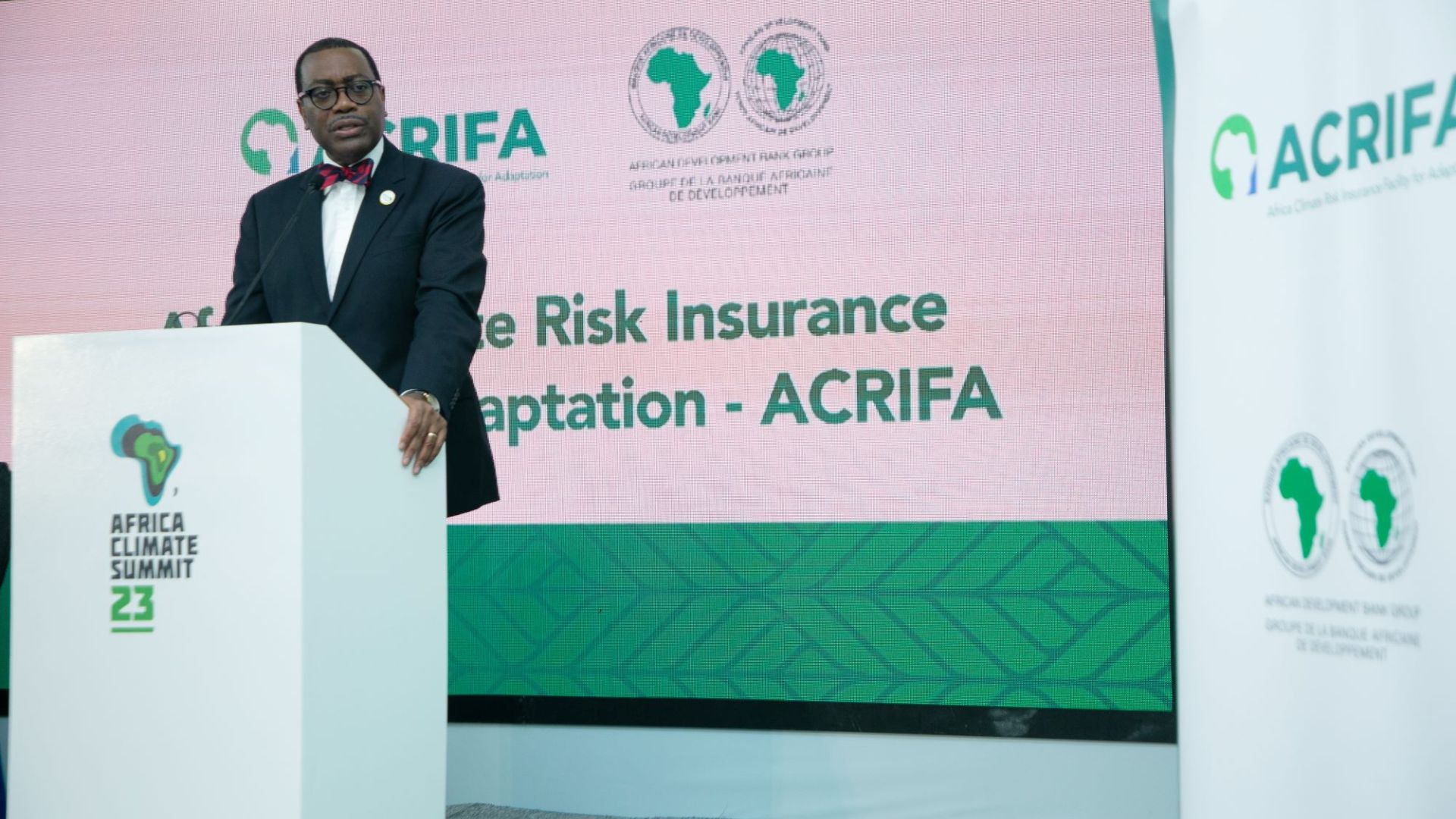
The significance of ACRIFA was underscored during a panel discussion that included key stakeholders and experts. Dr Beth Dunford, Vice President for Agriculture, Human and Social Development at the African Development Bank, stressed the urgency of translating policy into action. She emphasised that a thriving climate insurance industry in Africa is not merely a policy objective but a lifeline for millions, enabling them to navigate and thrive amidst climate uncertainties.
In essence, ACRIFA is poised to revolutionise how African countries manage climate risks. By offering a blend of insurance and proactive risk management strategies, it aims to foster resilience and sustainability. As the facility rolls out, it holds the promise of transforming lives and economies across the continent, ensuring that Africa not only survives but prospers in the face of climate change.