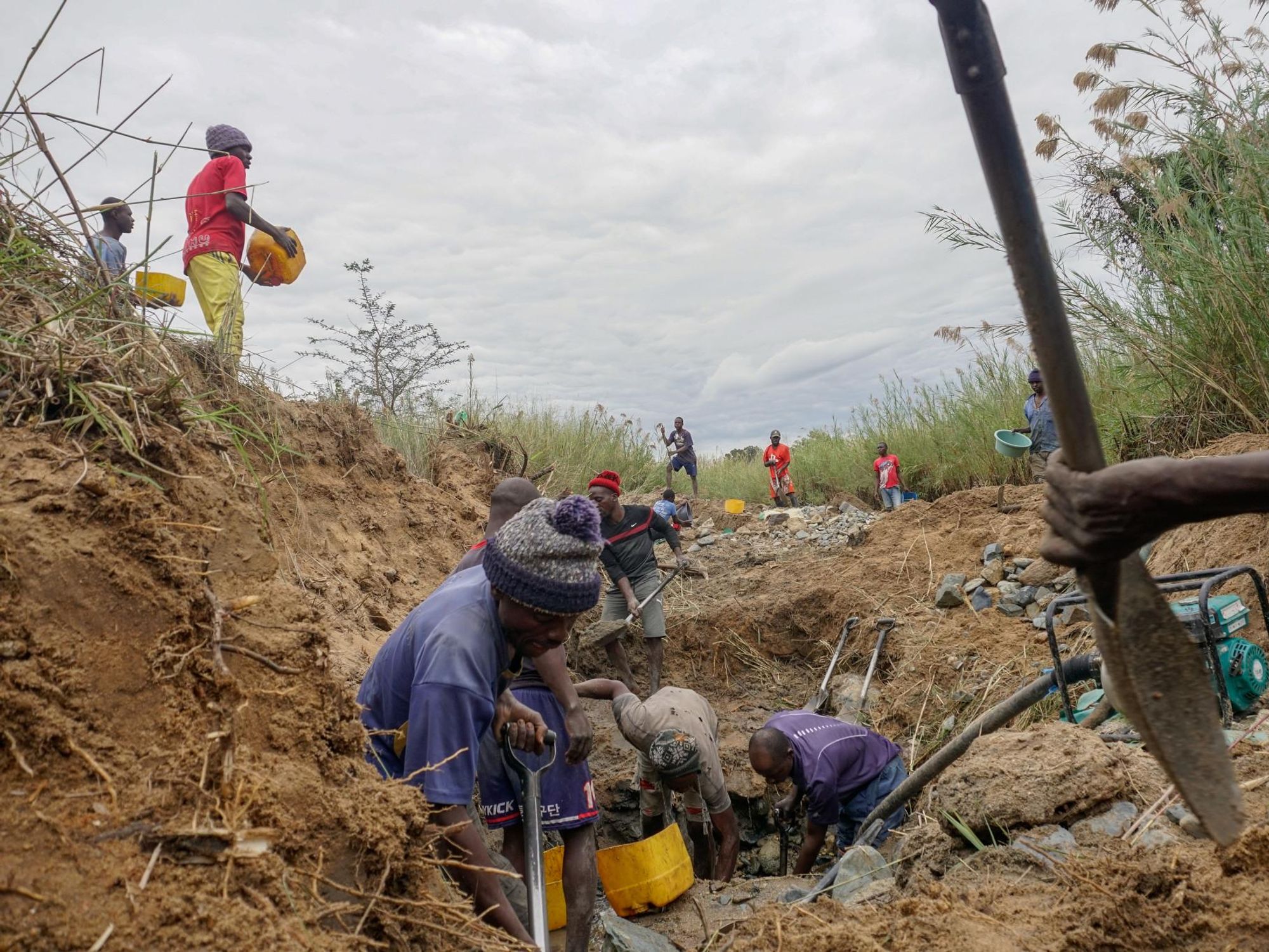
Artisanal gold deliveries to Zimbabwe’s primary gold buyer and exporter, Fidelity Gold Refinery (FGR), have risen by approximately 37.8% to 1,678.447 kilograms in May 2024 from 1,218.2045 kilograms in April.
This surge in gold contributions from Artisanal and Small-scale Miners (ASM) has been noted by economists as a notable development for the country’s economy and the stability of its gold-backed currency, Zimbabwe Gold (ZiG).
Economist Persistence Gwanyanya has highlighted the economic implications of this increase in artisanal gold deliveries. “The rise in gold deliveries from ASM provides a significant boost for the Zimbabwean economy. It not only strengthens our gold reserves but also reinforces the stability of the gold-backed currency, ZiG. Gold plays a critical role in our country’s economic landscape, and ensuring a steady supply from local miners helps to stabilize the currency, mitigate inflation, and enhance investor confidence,” said Gwanyanya.




The primary advantage of this increase in gold deliveries lies in its direct impact on the stability and value of ZiG. “With the currency pegged to gold, the heightened gold supply ensures that the currency remains robust and stable. This stability is vital for upholding public confidence and ensuring that the currency serves as a dependable medium of exchange and store of value. The augmented gold reserves further solidify the backing of ZiG, making it more resilient against market fluctuations and external economic pressures,” added Gwanyanya.
Moreover, Economist Gwanyanya noted that the economic benefits of increased gold deliveries extend beyond currency stability. “The surplus gold enhances the country’s export potential, leading to increased inflow of foreign currency and an improved balance of trade. This, in turn, supports various sectors of the economy, from infrastructure development to social services, by providing essential financial resources,” Gwanyanya explained.
However, it’s crucial to acknowledge potential challenges and criticisms within the sector. While Zimbabwe has banned the use of harmful chemicals in gold mining, there are lingering concerns about the environmental impact of artisanal mining activities, including deforestation, soil erosion, and water pollution.
Despite these challenges, the rise in artisanal gold deliveries underscores the importance of sustainable and responsible mining practices. Addressing these issues will require collaborative efforts from government authorities, mining companies, and international partners to promote environmental stewardship, improve regulatory frameworks, and support the socio-economic development of mining communities.
This report was compiled by Harare Post and edited by The Southern African Times editorial team.