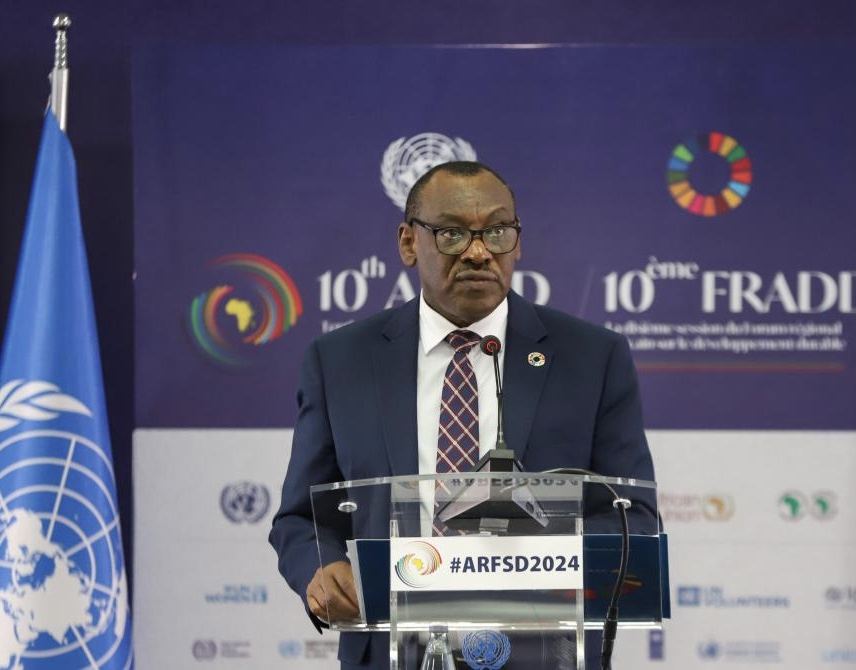
The growing burden of public debt due to climate-related disasters and the shrinking fiscal space in Africa have raised concerns about the continent’s sustainable development trajectory. Claver Gatete, executive secretary of the United Nations Economic Commission for Africa (UNECA), recently underscored these challenges at the 10th Africa Regional Forum on Sustainable Development in Addis Ababa, Ethiopia.
With the theme “Reinforcing the 2030 Agenda for Sustainable Development and Agenda 2063 and eradicating poverty in times of multiple crises: the effective delivery of sustainable, resilient, and innovative solutions,” the forum highlighted the urgent need to address critical issues related to climate change and financial challenges across Africa.
Gatete emphasized that Africa’s infrastructure and climate change needs are estimated to cost between 68 billion and 108 billion U.S. dollars annually. Despite Africa’s resilience and status as the second-fastest growing region globally, poverty, hunger, and inequalities persist. African leaders have expressed concerns about the inadequacy of the global financial architecture to meet the continent’s evolving needs.




Addressing these challenges requires a redesign of the global financial system to ensure that no one is left behind. The United Nations has identified six key investment pathways for implementing the Sustainable Development Goals (SDGs), including improving food systems, energy access, digital connectivity, education, and social protection.
“We cannot do business as usual,” Gatete stressed, highlighting the interconnectedness of the SDGs. It’s crucial to be selective and focus on areas that will trigger a cascading domino effect and deliver maximum impact on the ground.
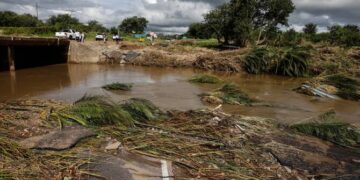
Africa’s vulnerability to climate change is evident in the increasing frequency and severity of natural disasters, which not only cause loss of life and property but also strain public finances. The continent’s limited fiscal space is further compounded by the need for increased financing to address climate-related challenges.
The impact of climate change on Africa’s agriculture sector, which employs the majority of the population, is particularly concerning. Erratic weather patterns, droughts, and floods threaten food security and livelihoods, exacerbating poverty and inequality.
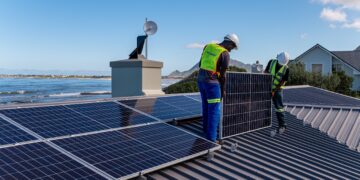
Innovative solutions are needed to build resilience and adapt to climate change while promoting sustainable development. This includes investing in renewable energy, promoting sustainable agriculture practices, improving water management, and enhancing disaster preparedness and response.
International cooperation and support are crucial in addressing Africa’s challenges. The global community must fulfill its commitments to climate finance, technology transfer, and capacity building to support African countries in their sustainable development efforts.
Furthermore, African governments need to prioritize climate action and integrate climate resilience into their national development plans. This requires policy reforms, investments in green infrastructure, and capacity building to enhance climate adaptation and mitigation efforts.
Africa stands at a crossroads, facing the dual challenges of climate-related debt and shrinking fiscal space. Addressing these challenges requires bold and concerted efforts from governments, international organisations, and the private sector. By investing in sustainable and resilient solutions, Africa can pave the way for a more prosperous and equitable future for its people.
Through collective action and solidarity, we can build a better, more sustainable world for current and future generations.