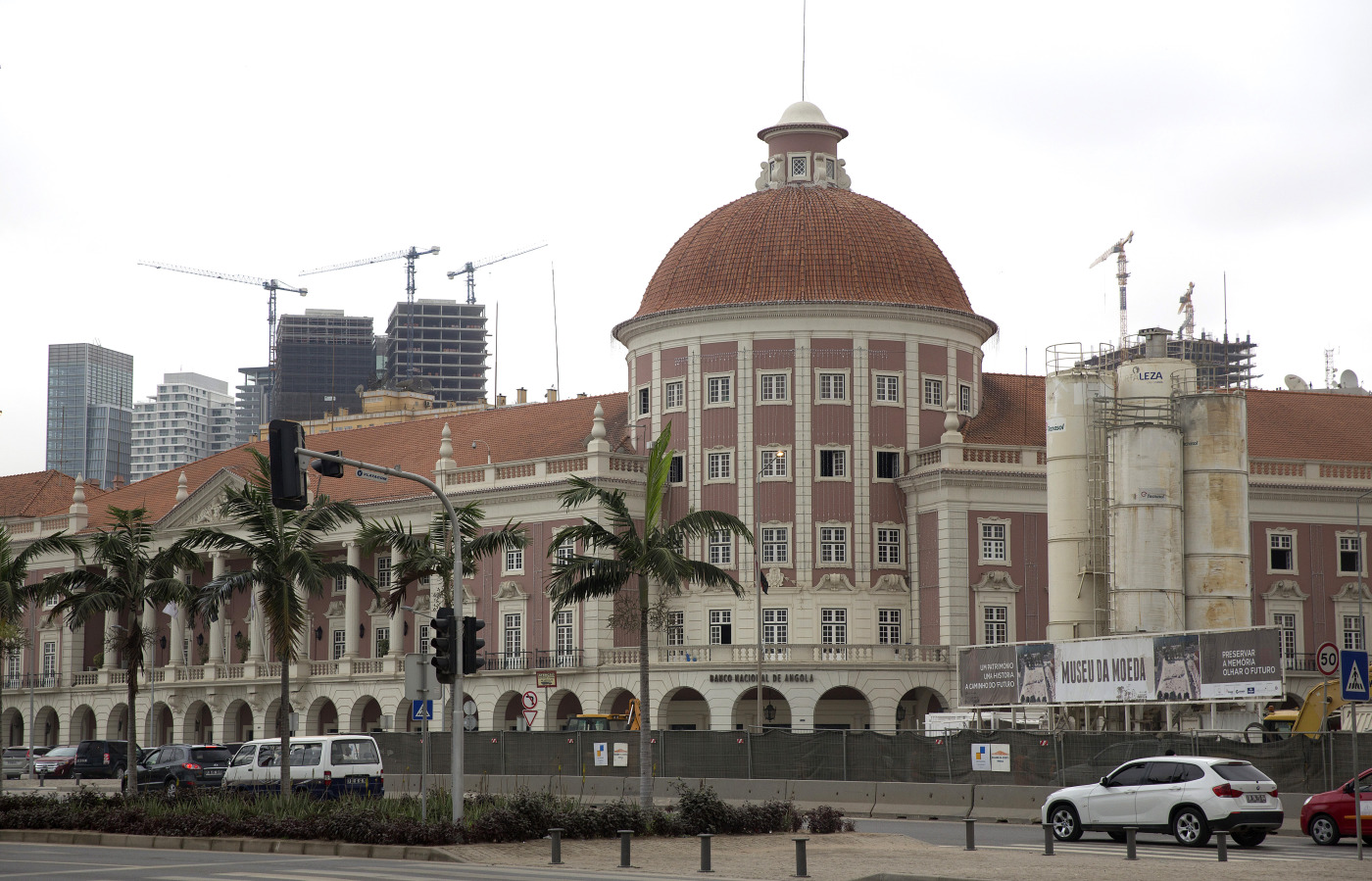
Angola’s Central Bank announced a significant adjustment in its monetary policy on Tuesday, signaling a commitment to stabilse the country’s economy. The decision comes amidst a global economic landscape that continues to grapple with uncertainties.
The central bank’s bold step involves a one-percentage-point increase in the basic interest rate, bringing it to 18 percent from the previous 17 percent. Simultaneously, the mandatory reserve ratio in the national currency has been elevated to 18 percent. In addition, adjustments were made to the interest rates of key facilities, with the Permanent Liquidity Facility experiencing a hike to 18.5 percent, while the Permanent Liquidity Absorption Facility’s rate was adjusted to 17.5 percent.
The National Bank of Angola, in an official statement, emphasized that these measures are a response to the escalating trajectory of inflation within the nation. The objective, as outlined in the statement, is to align these actions with the long-term goal of achieving a single-digit inflation rate. This move reflects a proactive approach by the central bank to safeguard the stability of Angola’s economy in the medium term.



Notably, the monthly inflation rate for October stood at 2.15 percent, highlighting the urgency behind the central bank’s decision. In addition, the stock of international reserves reached 14.24 billion U.S. dollars by the end of October, equivalent to 7.58 months of imports of goods and services. This substantial reserve suggests a degree of preparedness to weather potential economic storms.
Angola’s inflationary concerns are not unique, as countries worldwide grapple with the economic fallout from the ongoing global challenges. The nuanced approach taken by the National Bank of Angola underscores the delicate balance between addressing immediate economic issues and maintaining an eye on long-term stability.
International financial experts express mixed opinions on the effectiveness of interest rate hikes in curbing inflation. While higher interest rates can discourage spending and investment, potentially cooling down inflation, they also pose risks to economic growth. Striking the right balance becomes crucial, and Angola’s central bank appears to be navigating this terrain with a calibrated approach.
As the world observes these developments, there is a broader context to consider. The global economic landscape has been marked by uncertainties, ranging from the lingering impacts of the COVID-19 pandemic to fluctuations in commodity prices. Angola, an oil-dependent economy, has felt the reverberations of these global shifts, adding complexity to its domestic economic challenges.
Critics argue that such interest rate adjustments may have ripple effects on businesses, particularly smaller enterprises already grappling with the aftermath of the pandemic. The concern is that higher interest rates might hinder their ability to access capital and invest in growth, potentially slowing down the overall economic recovery.

On the other hand, proponents of the central bank’s decision argue that decisive measures are essential to instill confidence in the financial markets and attract foreign investments. In an interconnected global economy, stability in one region can have cascading positive effects worldwide.
The International Monetary Fund (IMF) is closely monitoring these developments, recognizing the delicate balance Angola and other nations must strike in the face of economic challenges. The IMF’s spokesperson stated, “Angola’s measures reflect the complexities faced by many countries in managing inflation while fostering economic growth. Striking the right balance is key, and each nation’s approach will be unique.”
As Angola embarks on this economic recalibration, the world watches with a keen interest, mindful of the broader implications on the global economic tapestry. The outcome of these measures will undoubtedly shape discussions on effective monetary policy strategies in an ever-evolving economic landscape.