

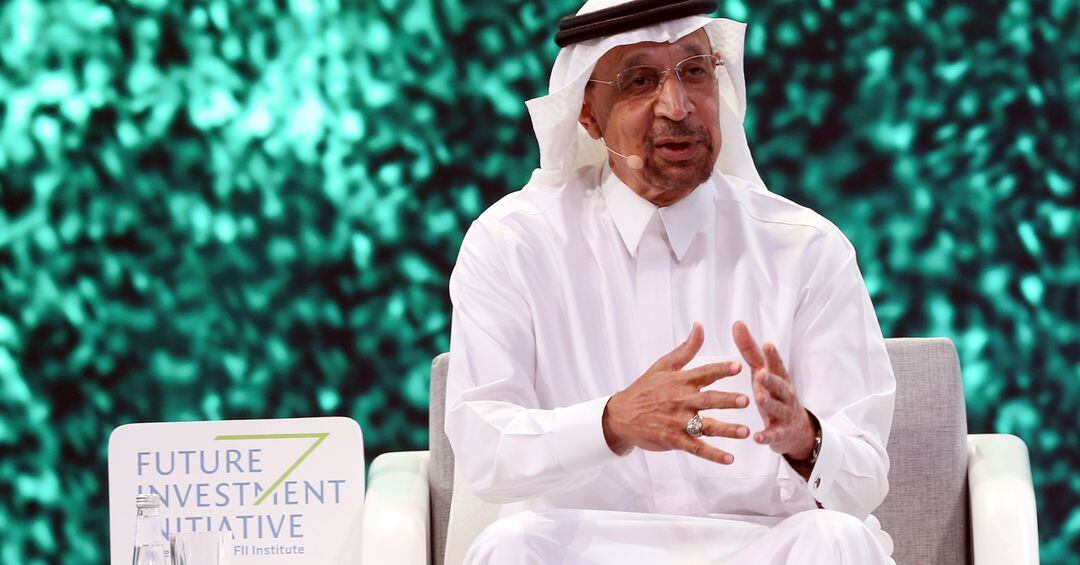
Saudi Arabia is poised to host a series of crucial summits in the coming days, tackling the multifaceted challenges posed by the Israeli-Palestinian conflict. The announcement came from Saudi Investment Minister Khalid Al-Falih during the Bloomberg New Economy Forum in Singapore, where he outlined the kingdom’s proactive approach to fostering peace in the region.
Al-Falih revealed that Riyadh would be the backdrop for an emergency Arab summit, an Africa-Saudi summit, and an Islamic summit, all unfolding within a tight timeframe. The triad of gatherings, under the leadership of Saudi Arabia, aims to catalyze efforts towards a peaceful resolution of the enduring conflict that has gripped the Middle East.
The move assumes greater significance with the participation of Iranian President Ebrahim Raisi in the Organisation of Islamic Cooperation summit, scheduled for Sunday. This marks a historic moment as Raisi’s visit is the first by an Iranian head of state since the groundbreaking China-brokered deal in March, signaling a détente between Tehran and Riyadh after years of acrimony.



The emergency Arab summit in Riyadh is expected to draw leaders from across the Arab world, providing a platform for collective deliberation on strategies to address the Israeli-Palestinian conflict. The Africa-Saudi summit underscores the global nature of the issue, as leaders from African nations join hands with Saudi Arabia to explore avenues for a comprehensive and lasting resolution.

Simultaneously, the Islamic summit reflects the commitment to engaging the broader Muslim community in the pursuit of peace. The convergence of leaders from diverse geopolitical landscapes amplifies the urgency and gravity of the discussions at hand, with Saudi Arabia assuming a leadership role in shaping diplomatic initiatives.
As the host nation, Saudi Arabia seeks to leverage these summits to bridge divides, encourage dialogue, and promote cooperative efforts in resolving the Israeli-Palestinian conflict. The kingdom’s proactive stance underscores a commitment to regional stability and marks a departure from traditional diplomatic approaches.
In the unfolding narrative of Middle Eastern diplomacy, these summits offer a beacon of hope, signaling a collective determination to navigate the complexities of the Israeli-Palestinian conflict and chart a course towards a more peaceful and stable future.


