As the world grapples with surging energy demands and the urgent need to transition to cleaner fuels, Africa has emerged as a significant player in the global liquefied natural gas (LNG) market. In a concerted effort to meet the soaring demand in Europe efficiently and cost-effectively, several energy companies are spearheading a wave of new floating gas facilities, particularly Floating Liquefied Natural Gas (FLNG) vessels.
Eni, BP, and smaller independent operators like Nigeria’s UTM Offshore are taking the lead, with projects dotting Africa’s east and west coasts. Last November, FLNG vessels facilitated Mozambique’s maiden gas exports, while the Republic of Congo is gearing up for its first LNG exports in December.
Africa presently exports 40 million tons of gas annually, and experts anticipate that the continent will add 10.2 million tons of new FLNG capacity by 2027. This expansion will encompass projects in Mozambique, Nigeria, Senegal, Mauritania, and the Republic of the Congo. Luca Vignati, Eni’s upstream director, emphasized the efficiency of FLNG in developing gas resources swiftly.



Over the next five years, a projected $13 billion will be allocated to FLNG projects, with Africa contributing to nearly 60% of the anticipated 18.3 million tons of added FLNG capacity by 2027. Furthermore, an additional 36.5 million tons, valued at $22 billion, are expected to come online post-2027.
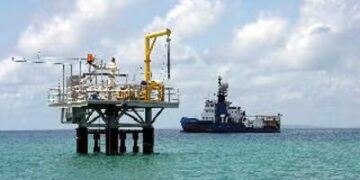
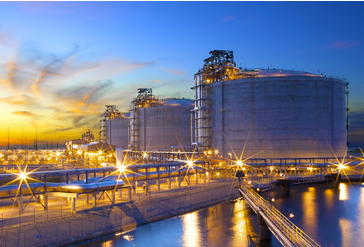
FLNG facilities, essentially floating gas-processing ships, have gained traction for their ability to pump, liquefy, store, and export gas directly from offshore fields. They offer a compelling alternative to onshore infrastructure, which is often costly and faces resistance from local communities. The advancements in vessel technology and quicker turnaround times have amplified the demand for FLNG, following Shell’s pioneering but delayed FLNG vessel Prelude, anchored off Australia.
Notably, the cost advantages of FLNG are striking. Analysts highlight the potential for capital expenditure costs for repurposed FLNG facilities like Cameroon’s Golar FLNG to be as low as $550 per ton, compared to the $900-$1,100 per ton for new onshore terminals on the U.S. Gulf Coast.

Despite these compelling advantages, Africa has faced challenges in harnessing its gas resources, particularly amid a global energy transition and cautious investors. FLNG offers a quicker turnaround, which suits the current pace of change, with the ability to start producing within just four years after investment.
With more than 50% of the world’s FLNG capacity, Africa is at the forefront of this innovative energy solution. FLNG ships also circumvent safety issues that have plagued some onshore projects. As Gavin Thompson, Vice Chair of Research at Wood Mackenzie, notes, “Africa is the center right now… and it’s going to grow,” with both East and West Africa competing for a piece of the pie.
Lower costs, in addition to flexibility and speed, are key drivers of Africa’s FLNG boom. Amid the economic challenges posed by the global pandemic and climate concerns, FLNG projects provide an opportunity for governments to generate much-needed revenue through royalties and taxes.
However, the use of Africa’s gas resources remains a topic of debate, as many on the continent lack access to electricity. While governments may earmark some gas for domestic consumption, fully-fledged projects targeting domestic markets can be challenging to finance due to limited paying customers.
Africa’s burgeoning FLNG industry represents a significant opportunity for the continent to contribute to the global LNG market. However, it is crucial for African governments and energy companies to strike a balance between economic benefits and the need to address the energy access deficit for their citizens. This delicate equilibrium will determine Africa’s role in the evolving global energy landscape.