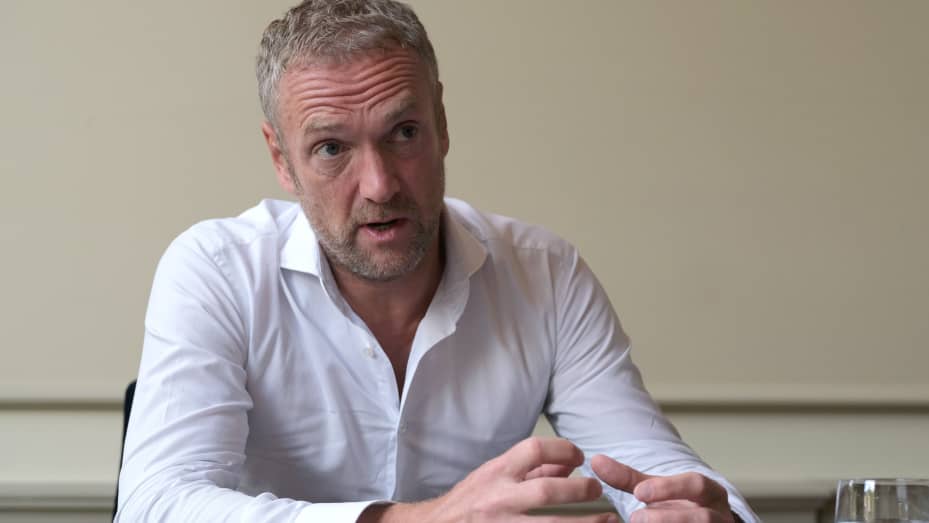
CEO Bob van Dijk has announced his departure from e-commerce investor Prosus and its majority owner, South African multinational Naspers. The move comes as both companies embark on a complex restructuring journey, which includes unwinding their holdings in Chinese tech giant Tencent.
The saga began in June, when Prosus, headquartered in the Netherlands, secured the necessary shareholder and regulatory nods to dismantle its intricate ownership structure. The South African Reserve Bank also gave Naspers the green light to initiate share buybacks from Prosus.
Prior to this restructuring, Naspers held a significant one-third stake in the Chinese internet behemoth Tencent Holdings. This investment, made by Naspers’ chairman and founder, Koos Bekker, back in 2001 for $34 million, had grown significantly in value. However, as Tencent’s market capitalization surged to nearly $1 trillion during the COVID-19 pandemic, Naspers’ dominance in the Johannesburg Stock Exchange became a concern for certain fund managers.



In 2019, under Bob van Dijk’s leadership, the decision was made to separate its Tencent holdings and other tech assets into Prosus. However, in 2021, Naspers introduced a crossholding arrangement through a share swap deal. Prosus issued new shares to acquire a 45.4% stake in Naspers, effectively shifting a portion of Naspers from the Johannesburg exchange to Amsterdam’s Euronext.

Despite this effort to streamline their structure, the crossholding arrangement failed to resonate with investors. Van Dijk acknowledged shareholders’ concerns, stating, “They [shareholders] said we don’t like this crossholding; it creates complexity. We’ve listened to them. And we’re basically getting rid of that now.”
On a recent investor call, it was confirmed that the unwinding of the crossholding had been completed. The companies now aim to maintain profitability into the first half of the 2025 fiscal year.
Erwin Tu, Prosus’ group chief investment officer, has been appointed interim CEO. Analysts at Citi believe there is a strong possibility he may assume the role permanently. Tu brings a wealth of experience, having previously worked as a managing partner at the SoftBank Vision Fund and held positions at Goldman Sachs.
During the investor call, Koos Bekker assured that Tu, despite being a recent addition to the company in 2021, would enjoy the same autonomy as Van Dijk in his temporary role. Bekker also emphasized that the CEO search would not be limited to internal candidates and would consider external leaders as well.
Tu pledged that the company would continue to “invest in a disciplined way” and maintain its share repurchase program as long as the discount on the net asset value of the companies remained elevated.
Following the announcement of Van Dijk’s departure, Naspers’ shares experienced a 3% drop in South Africa, despite an initial 2% rise in early trading.
Bob van Dijk has agreed to serve as a consultant until September of the next year but has stepped down from the boards of both Prosus and Naspers. The companies stress that their strategic objectives “remain unchanged, and they are on target to deliver on their commitments.”
Van Dijk’s recent pay structure had faced criticism from shareholders, particularly its ties to Tencent’s growth and performance. In a significant move, 80% of decision-bearing shareholders voted against Naspers’ remuneration policy. Van Dijk’s reported earnings of 13.5 million euros in 2021 and 14.2 million euros in 2022 saw a reduction to 5.5 million euros in the past year.