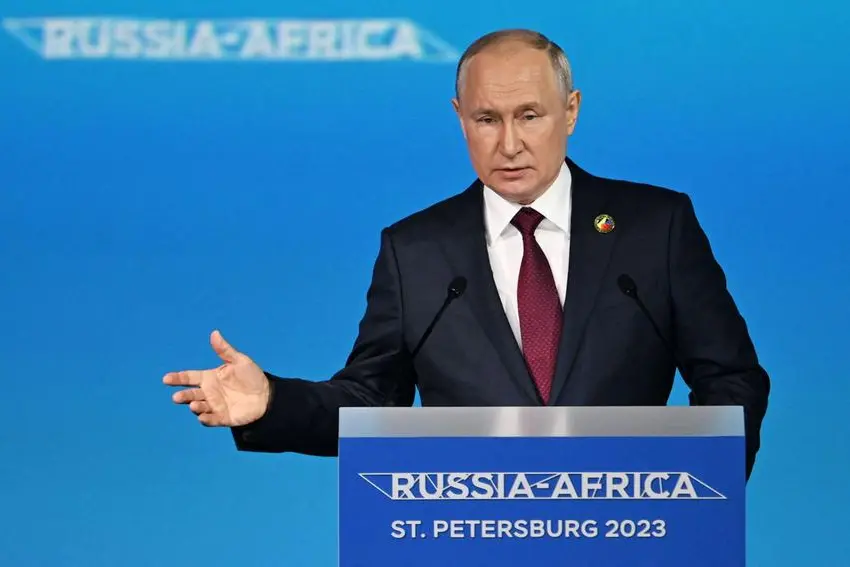
Russian President Vladimir Putin announced at the Russia-Africa summit in St. Petersburg that Russia is ready to provide up to 50,000 tonnes of free grain to each of six African nations, namely Zimbabwe, Burkina Faso, Mali, Somalia, Central African Republic, and Eritrea. Despite facing accusations of “weaponizing” food during times of conflict, Putin assured African leaders that Russia would continue to meet their food needs.
Zimbabwean President Emmerson Mnangagwa expressed his gratitude for the offer of free grain but clarified that his country was not facing any grain deficit and was, in fact, food-secure. Mnangagwa highlighted that Russia’s contribution would simply add to their existing food reserves.
Putin’s offer comes in the wake of Russia’s withdrawal from a grain deal with Ukraine, a top grain exporter. The agreement allowed Ukraine to ship cereals from its Black Sea ports despite the ongoing conflict. After pulling out of the deal, Russia has reportedly bombed Ukrainian ports and food storage facilities.




In his speech, Putin justified Russia’s decision to quit the deal, stating that it was not effectively reaching the poorest countries in need. However, critics point out that the agreement had significantly lowered world grain prices, which have risen sharply since Russia’s withdrawal.
Despite the controversy surrounding the move, African leaders have welcomed the Russian offer of free grain. Sawadogo Mahamadi, head of Burkina Faso’s chamber of commerce and industry, expressed appreciation for the gesture, emphasizing that vital food products are urgently needed in Africa, especially in the Sahel countries facing security and humanitarian threats.
As the situation unfolds, African nations will be closely monitoring their food security, balancing their own reserves with potential assistance from Russia. The international community will be watching how this offer affects food prices and availability in the region and how it shapes Russia’s role in global food security efforts.