

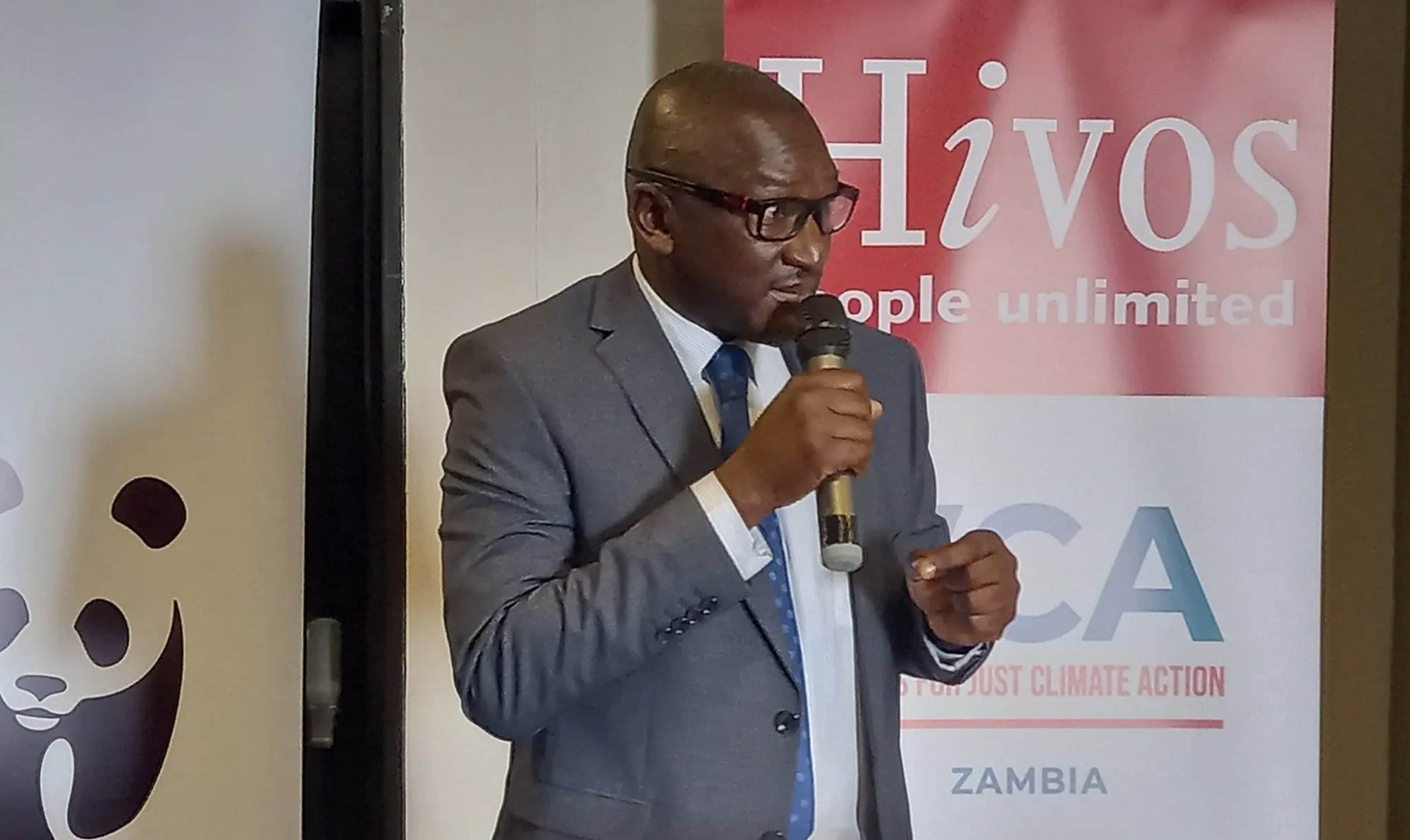
The Zambian government has made a fervent call to the private sector, urging them to collaborate in addressing the pressing issue of waste disposal that is posing a significant threat to the nation’s environment. Collins Nzovu, the Minister of Green Economy and Environment, stressed the need for collective efforts from all stakeholders, including the private sector, to combat the escalating waste accumulation across the country.
Expressing concern over the alarming rate at which waste is piling up, Minister Nzovu emphasized the role of the private sector in supporting government initiatives for managing waste. During a meeting organized by the Zambia Association of Manufacturers (ZAM), the Minister addressed several chief executive officers from various companies, highlighting the detrimental effects of environmental degradation and inadequate waste management on sustainable development.
The Zambian government has already taken steps to address the issue by implementing extended producer responsibility regulations, which impose restrictions on the production of single-use plastic carrier bags with a thickness of less than 30 microns. These regulations are part of the government’s efforts to adopt sustainable waste management practices. The Minister disclosed that the government is closely monitoring the implementation of these regulations and is working on enhancing them to enforce greater accountability on manufacturers, distributors, and suppliers of various products, compelling them to develop appropriate infrastructure for recycling waste and reducing pollution.



In addition to the extended producer responsibility, the Ministry of Green Economy and Environment is actively working on developing a green growth strategy. This strategy aims to transition to a circular economy, which emphasizes sustainable production and consumption patterns, aligning with global environmental goals.

Ashu Sagar, President of ZAM, expressed optimism about the concept of the circular economy gaining recognition among manufacturers, citing its potential for significant economic and societal benefits. He emphasized the role of manufacturers in waste management, recognizing that the waste generated by their industries has a profound impact on the environment. Sagar asserted that extended producer responsibility is an essential tool in combating the escalating plastic pollution crisis.
Muntanga Lindunda, Chief Executive Officer of ZAM, echoed the growing concern about waste management and urged for efficient and sustainable systems to conserve and minimize environmental impact.
With the waste disposal crisis reaching critical levels in Zambia, the government’s call for the private sector’s involvement is becoming increasingly urgent. The collaboration between the public and private sectors is seen as vital in curbing environmental degradation and safeguarding the nation’s environmental, social, and economic dimensions of sustainable development.
The Zambian government’s commitment to sustainable waste management strategies and their call for collective action from stakeholders mark a pivotal moment in the nation’s efforts to combat the waste disposal crisis and pave the way towards a greener and cleaner future.


