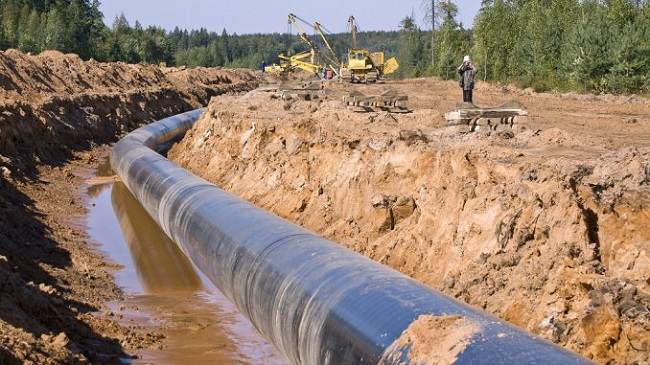
The construction of a $4 billion oil pipeline in East Africa has sparked a heated debate, highlighting the dilemma between economic development and environmental sustainability. The East Africa Crude Oil Pipeline (EACOP) project, backed by governments and major oil companies from China and France, promises to create jobs and generate revenue for the region. However, opponents argue that the pipeline will cause irreparable damage to ecosystems, increase emissions, and exacerbate global inequality as the oil is exported to nations limiting their own fossil fuel production. The controversy surrounding the project has led to delays and financial challenges, as several banks and insurers have withheld support. The article examines the perspectives of different stakeholders, the potential environmental impacts, and the implications for Africa’s economic development and climate goals.
The rural farming community near Lake Albert in Uganda has remained underdeveloped despite the discovery of oil in the area over 15 years ago. The consortium behind the EACOP project, consisting of the Ugandan and Tanzanian governments, TotalEnergies SE from France, and the China National Offshore Oil Corporation (CNOOC), claims that the 900-mile pipeline will create thousands of jobs and generate substantial government revenues. However, critics, including local activists, European parliament members, and environmental groups, argue that the project will destroy fragile ecosystems, increase emissions, and hinder global efforts to transition away from fossil fuels. As a result, they have successfully influenced several financial institutions to withhold support, delaying the project’s financial close.
Environmental Concerns:



Opponents of the EACOP project have raised concerns about the potential impact on endangered species such as elephants and chimpanzees as the pipeline cuts through four nature reserves. Developers, on the other hand, argue that since 80% of the pipeline will be underground, vegetation cleared for construction will regrow, allowing animals to continue inhabiting the area.
However, critics believe that these claims lack sufficient evidence and express worries about the irreversible damage that can occur. Detractors have managed to draw attention to the environmental risks associated with the project, leading to financial institutions such as Sumitomo Mitsui Financial Group Inc ruling out financing. Nevertheless, there are still financial backers, including China’s Exim Bank and two unidentified African companies, according to Uganda’s Energy Minister Ruth Nankabirwa.

Global Inequality and Climate Impact:
The EACOP project has also highlighted global inequality and the disparity in climate responsibility. The pipeline will transport 216,000 barrels of oil per day from the Tilenga and Kingfisher oilfields in Uganda and Tanzania to terminals on the Indian Ocean coast for exportation. Critics argue that this situation exemplifies the inequity, with African countries being locked into a fossil fuel economy while developed nations limit their own fossil fuel production. Zaki Mamdoo, coordinator of the Stop EACOP campaign in South Africa, states that this scenario perpetuates social and environmental costs on African countries, while servicing the energy needs of the Global North. European parliament members, including Maria Arena, have criticized TotalEnergies’ participation in the project, calling it hypocrisy, as European nations strive to protect their own people from climate change. The EU has also passed a directive that holds companies liable for damages if they fail to limit or eliminate environmental and human rights abuses in their operations and supply chains.
Economic Development and Climate Finance Challenges:
African countries often face limited options for economic development, with fossil fuel extraction being one of the few avenues available to them. Kenyan President William Ruto emphasizes the need for clean and green industrialization in Africa, allowing the continent to achieve its climate goals while contributing to global net-zero targets. However, the lack of climate finance hampers Africa’s access to sustainable solutions. The continent requires up to $2.8 trillion by 2030 to meet its climate goals but has only received $29.5 billion in climate finance from 2019 to 2020, according to the African Development Bank.
The Bridgetown Initiative, led by Barbados Prime Minister Mia Mottley, seeks to reform global financial institutions to address this issue. The initiative aims to secure increased climate financing for Africa, enabling the continent to pursue clean and sustainable development.
While African leaders recognize the imperative for environmental sustainability, they also face the reality of needing economic growth and prosperity. The EACOP project symbolizes the difficult trade-off between these two objectives. President Ruto of Kenya acknowledges the project’s contribution to climate change and its disproportionate impact on Africa. However, during a conversation with Ugandan President Yoweri Museveni, Museveni pointed out that developed nations have achieved substantial progress through the exploitation of natural resources. This statement highlights the complex nature of the debate and the challenges African leaders face in balancing economic development with environmental concerns.
The global implications of the EACOP project extend beyond Africa. Developed nations with ambitious climate targets are involved through their companies’ participation. This raises questions about their commitment to climate action and their responsibility in perpetuating global inequality. Critics argue that while these nations transition away from fossil fuels domestically, they continue to rely on fossil fuel imports from Africa, leaving African countries locked in a fossil fuel-dependent economy.
The controversy surrounding the EACOP project has also spurred legislative action in the European Union (EU). The EU Parliament has approved a directive that holds companies based in Europe or operating there accountable for the environmental and human rights impacts of their operations and supply chains. This directive aims to ensure that companies limit or eliminate any negative impacts and makes them liable for damages if they fail to comply. It signals a growing recognition of the need for global accountability in addressing climate change and environmental degradation.
The $4 billion East Africa Crude Oil Pipeline project in Africa has ignited a fierce debate surrounding the trade-off between economic development and environmental sustainability. While proponents argue that the project will create jobs and generate revenue, opponents highlight the potential damage to ecosystems and the increase in emissions. The project also exposes global inequality, with developed nations relying on African countries for fossil fuel exports while limiting their own production. The financial challenges faced by the project underscore the need for increased climate finance to support Africa’s transition to sustainable solutions.
As the debate continues, the implications of the EACOP project reverberate globally, prompting legislative action and raising questions about the commitment of developed nations to climate action and equitable development. Africa’s path to economic growth and environmental sustainability remains a delicate balancing act that requires collaborative efforts and innovative solutions to ensure a prosperous and environmentally conscious future.