In a bid to alleviate the acute financial crisis plaguing Kenya’s economy, the government has successfully secured a commercial loan worth $500 million from a syndicate of prominent global banks. The loan comes in the wake of the recent approval of a $1 billion loan by the World Bank, highlighting the severity of the country’s economic challenges. The syndicate, comprising American Citibank, British Standard Chartered Bank, Stanbic Bank, and South Africa’s RMB Holdings Ltd, has responded to Kenya’s urgent plea for financial assistance.
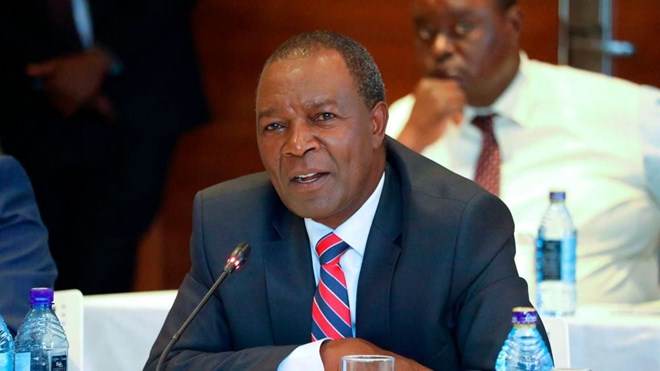
Haron Sirma, the director-in-charge of debt management at the National Treasury, confirmed that the syndicate had granted $500 million to the government, albeit falling short of the requested $600 million. Sirma expressed optimism that the remaining balance would be obtained before the end of June, provided alternative sources of financing are not secured. While acknowledging that commercial loans are not the preferred debt source, he emphasized the government’s commitment to exploring all available options.
The announcement of the commercial loan coincided with the World Bank’s approval of a $1 billion loan, bringing Kenya’s total funding from foreign lenders in May to an impressive $1.5 billion. This injection of funds is a crucial step towards stabilizing Kenya’s deteriorating financial situation, mitigating the depreciation of the national currency, and bolstering the country’s foreign exchange reserves, which have been falling short of the required four months of import coverage.



Moreover, the financial assistance is expected to address the acute shortage of US dollars, a predicament that has been plaguing businesses relying on the American currency for their operations. The syndicate’s loan is seen as a significant step in alleviating this crisis and providing much-needed relief to the affected enterprises.
Kenya’s ongoing collaboration with international financial institutions is further reinforced by an impending $410 million disbursement from the International Monetary Fund (IMF) in July. The government, in conjunction with the IMF staff, anticipates receiving this additional funding following an agreement on economic policies and reforms as part of the fifth review of Kenya’s Extended Credit Facility (ECF) and Extended Fund Facility (EFF). However, the accord still requires approval from the IMF management next month.
The support from both the World Bank and the IMF will serve as a crucial lifeline for Kenya’s economic managers, enabling them to address persistent budgetary gaps and reduce debt vulnerabilities. A staggering portion of the country’s tax receipts, more than half, has been diverted towards servicing its debt obligations, highlighting the urgency of finding sustainable solutions.

Kenya’s total national debt currently stands at Ksh9.39 trillion ($68.04 billion), comprising Ksh4.53 trillion ($32.82 billion) in domestic debt and Ksh4.85 trillion ($35.14 billion) in external debt. These figures indicate a significant debt burden, especially in light of the existing debt cap of Ksh10 trillion ($72.46 billion). The limited room for further borrowing emphasizes the pressing need for strategic financial management and prudent economic policies.
Concerns have been raised by rating agency Fitch, predicting a substantial increase in Kenya’s external debt service obligations, amounting to $3 billion this year and a staggering $4.8 billion in 2024. These projections coincide with the country’s official foreign exchange reserves plummeting to their lowest level in seven years, further underscoring the gravity of the economic challenges that lie ahead.
As Kenya grapples with its acute financial crisis, the recent commercial loan extended by the syndicate of global banks, coupled with the support from the World Bank and the anticipated disbursement from the IMF, offers a glimmer of hope for the country’s economic recovery. The financial assistance will provide the government with the necessary resources to implement vital reforms, stimulate economic growth, and create a more stable and resilient financial environment.
However, it is crucial for Kenya’s economic managers to exercise caution and prudence in managing the borrowed funds. With a mounting debt burden and limited room for additional borrowing, it is imperative that the government focuses on implementing sound fiscal policies, promoting transparency and accountability, and fostering an enabling environment for private sector growth. This includes efforts to attract foreign direct investment, diversify the economy, and improve the business climate.
Additionally, there is a need for the government to prioritise measures aimed at enhancing domestic revenue mobilisation. By broadening the tax base, improving tax collection mechanisms, and combating corruption, Kenya can reduce its dependency on external loans and create a more sustainable financial framework.
Moreover, as the country moves forward with the disbursement of funds, it is essential to ensure that the financial resources are channeled effectively towards priority sectors such as infrastructure development, healthcare, education, and agriculture. By investing in these key areas, Kenya can stimulate job creation, boost productivity, and ultimately achieve inclusive and equitable economic growth.
Kenya’s successful acquisition of a $500 million commercial loan from a syndicate of global banks, in addition to the support from the World Bank and the impending disbursement from the IMF, marks a significant step towards addressing the acute financial crisis that the country is facing. While challenges remain, including a high debt burden and limited borrowing capacity, there is an opportunity for Kenya to leverage these financial resources to implement necessary reforms, spur economic growth, and pave the way for a more prosperous future. With prudent financial management, a commitment to transparency, and a focus on sustainable development, Kenya can navigate its way towards economic stability and resilience.