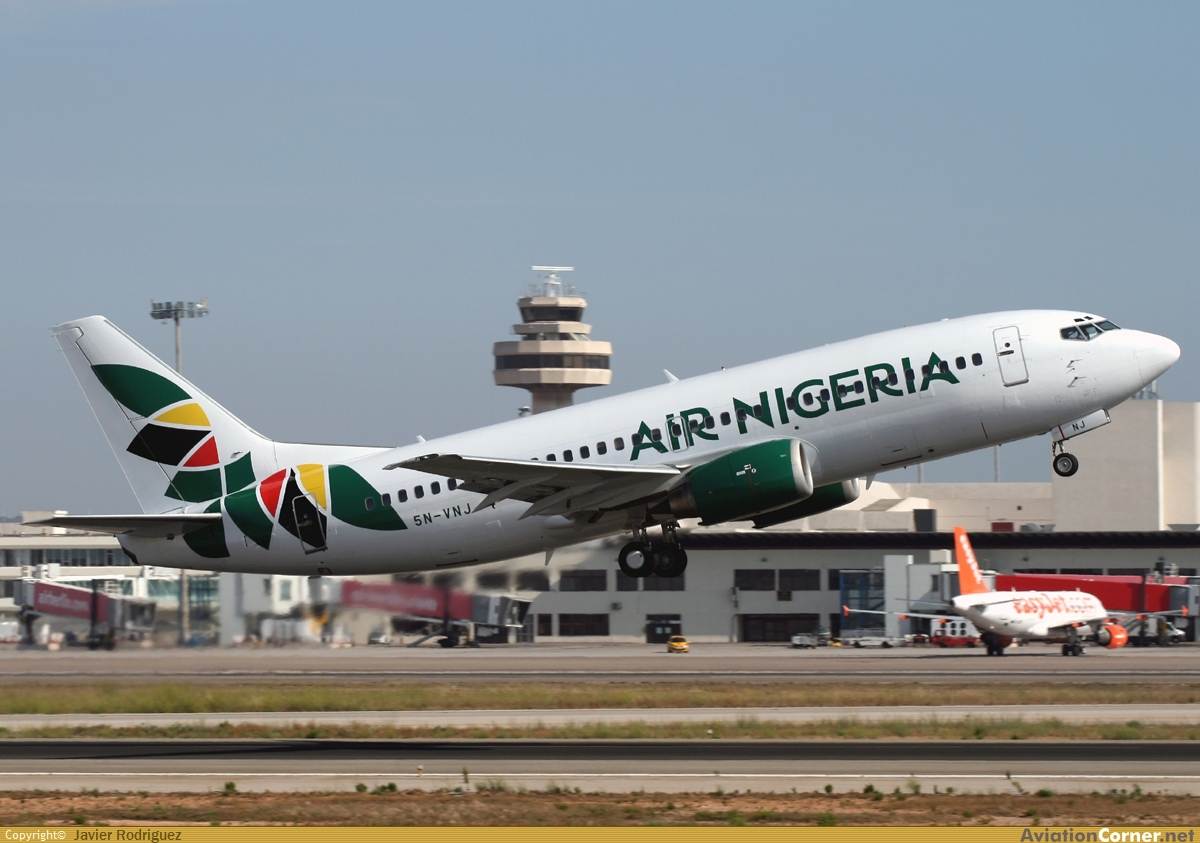
In a momentous development for Nigeria’s aviation sector, the Nigerian government introduced its long-awaited national carrier, Nigeria Air, aiming to establish the country as a prominent player in the global aviation market. The Minister of Aviation, Hadi Sirika, unveiled a Boeing 737-800 aircraft of the airline at a ceremony held at the Nnamdi Azikiwe International Airport in the capital city of Nigeria.
Minister Sirika emphasised the tremendous potential of Nigeria, citing its large population, favorable geography, robust economy, skilled workforce, and substantial market. He expressed his confidence in the nation’s ability to leverage these strengths through the establishment of Nigeria Air. The airline is the result of a strategic public-private partnership between Nigerian entrepreneurs, the Nigerian government, and an Ethiopian consortium.
“This partnership connects the biggest population in Africa, Nigeria, with the second biggest population in Africa, Ethiopia. It is a huge market with immense potential,” Minister Sirika remarked, highlighting the synergies between the two nations. According to data from the United Nations Population Fund, Nigeria and Ethiopia boast populations of over 220 million and 120 million, respectively.



The launch of Nigeria Air is expected to invigorate the country’s aviation sector and stimulate economic growth. Minister Sirika announced that the airline would commence domestic and regional flights in the near future. Furthermore, Nigeria Air is projected to create more than 70,000 employment opportunities upon full operation, while also expanding its fleet to include up to 30 aircraft within the first five years.
The unveiling of Nigeria Air marks a significant milestone for the country, which has faced challenges in establishing a viable national carrier in the past. Zemedeneh Negatu, an Ethiopian investor attending the ceremony, expressed optimism about the prospects of the new airline. Negatu believes Nigeria Air will weather any difficulties and effectively compete with other major carriers in the region, such as South African Airways and Kenyan Airways.
Nigeria boasts a rich aviation history, with its first national airline operating regional and domestic passenger services as early as the 1950s. However, due to financial and operational obstacles, the last known national flag carrier, Air Nigeria, ceased operations in September 2012. The introduction of Nigeria Air signals a renewed commitment to reclaiming Nigeria’s presence in the global aviation landscape.

Industry experts and aviation enthusiasts are eagerly anticipating the impact of Nigeria Air’s entry into the market. The airline’s enhanced connectivity and increased accessibility are expected to boost trade, tourism, and business opportunities within and beyond Nigeria’s borders. With a modern fleet and a focus on customer satisfaction, Nigeria Air aims to provide reliable and comfortable travel experiences for both domestic and international passengers.
Nigeria Air’s establishment aligns with the country’s broader vision for economic development and infrastructure improvement. By bolstering its aviation industry, Nigeria aims to enhance its global competitiveness, attract foreign investments, and strengthen its position as a regional powerhouse.
As Nigeria’s national carrier prepares for takeoff, the future of Nigerian aviation appears brighter than ever. With its ambitious growth plans, Nigeria Air has the potential to revolutionize air travel in the region and contribute significantly to the nation’s economic prosperity.