

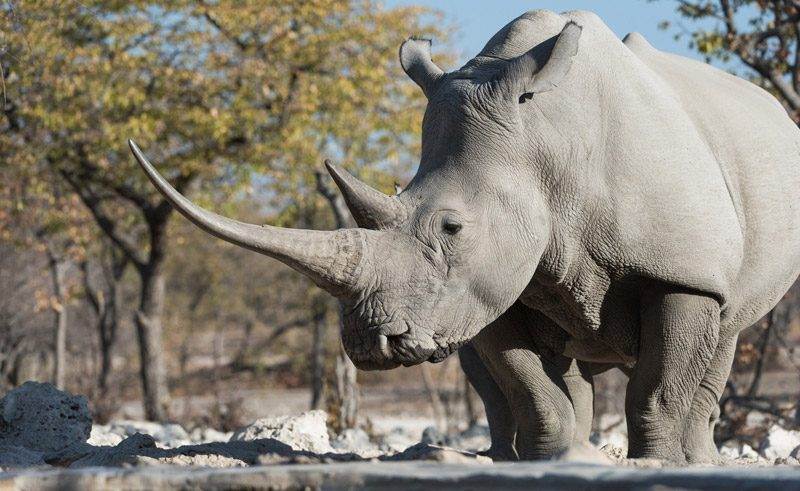
Namibia has begun a three-day national conference aimed at addressing the ongoing human-wildlife conflict (HWC) in the country. The conference, which is being held in the capital city of Windhoek, seeks to find lasting solutions to the problem that has resulted in the loss of human lives and property, as well as the decline of wildlife populations.
Namibia’s Vice President, Nangolo Mbumba, spoke at the opening of the conference, emphasising that efforts to manage HWC must prioritise the rights and development needs of local communities, while also promoting biodiversity conservation and self-reliance. He noted that appropriate mitigation and monitoring methods must be developed, and all stakeholders must be capacitated to effectively manage such conflicts.
“Human-wildlife conflict is complex and thus requires multidimensional solutions. The impact of this conflict on people and their properties is a difficult challenge that conservation agencies and institutions are faced with,” Mbumba said, calling on all citizens to work together to minimize losses and the impact caused by wild animals.



Mbumba also praised the success of conservancies in the country, which are benefiting thousands of citizens through employment creation, and encouraged the management of wildlife for commercial use on freehold farms, contributing to the conservation of wildlife species and the maintenance of biodiversity.
According to government statistics, at least 33 people were killed and 54 others injured due to HWC in Namibia since 2019. This has led to a growing concern and calls for action to be taken to protect human life and property, as well as wildlife.
The conference is expected to come up with specific resolutions and actions to implement preventive and protective strategies for HWC management. It will also establish mechanisms to provide compensation to affected parties whose family members die or are severely injured as a result of HWC.
One of the major causes of HWC in Namibia is the encroachment of wildlife into human settlements due to habitat loss and fragmentation. This has been attributed to various factors, including climate change, land-use change, and human population growth.
In recent years, Namibia has taken steps to address HWC through various initiatives, including the establishment of conservancies and the promotion of community-based natural resource management. These initiatives have had some success in reducing HWC incidents and promoting coexistence between humans and wildlife.
However, more needs to be done to address the underlying causes of HWC and to find lasting solutions to the problem. This requires the involvement and collaboration of all stakeholders, including government agencies, conservation organizations, local communities, and private sector players.

The conference provides a platform for stakeholders to share ideas, experiences, and best practices, and to develop strategies that promote sustainable coexistence between humans and wildlife. It is hoped that the outcomes of the conference will contribute to the reduction of HWC incidents and the promotion of biodiversity conservation and sustainable development in Namibia.
In conclusion, the human-wildlife conflict in Namibia is a complex issue that requires a multidimensional approach. The ongoing national conference provides an opportunity for stakeholders to come together and find lasting solutions to the problem. It is hoped that the outcomes of the conference will contribute to the reduction of HWC incidents and the promotion of sustainable development in the country.


